Secrets of a Traditional Bulgarian Winery - Villa Vinifera
Our initial experience began on the terrace of Villa Vinifera, where a simple afternoon turned into a delightful education. It wasn’t just a standard wine tasting; the owner passionately shared the journey of every bottle of Bulgarian wine placed before us. He offered expert guidance on the subtle spice or fruit notes we should look for. Surprisingly, it worked! We began to discern distinct notes of cinnamon, orange, and even roses. The taste was authentic and truly palpable.
The sun was setting behind the hills, casting a warm glow over the scene. Everyone felt relaxed and thoroughly pleased by the exquisite flavors. Time seemed to stand still, and it felt as though we could remain there forever.
Our unforgettable journey began with that first captivating visit. My colleagues had organized this exceptional degustation, and I resolved right then to return and share this place with everyone. Villa Vinifera is a charming, privately-owned winery and a must-visit destination if you find yourself near Plovdiv, Bulgaria.
The History of Villa Vinifera Winery
Wine is a liquid steeped in history. It embodies the taste of the Rhodope land, the wind descending from the mountains, and the meticulous attention that only human hands can impart as they gently tend to each cluster of grapes.
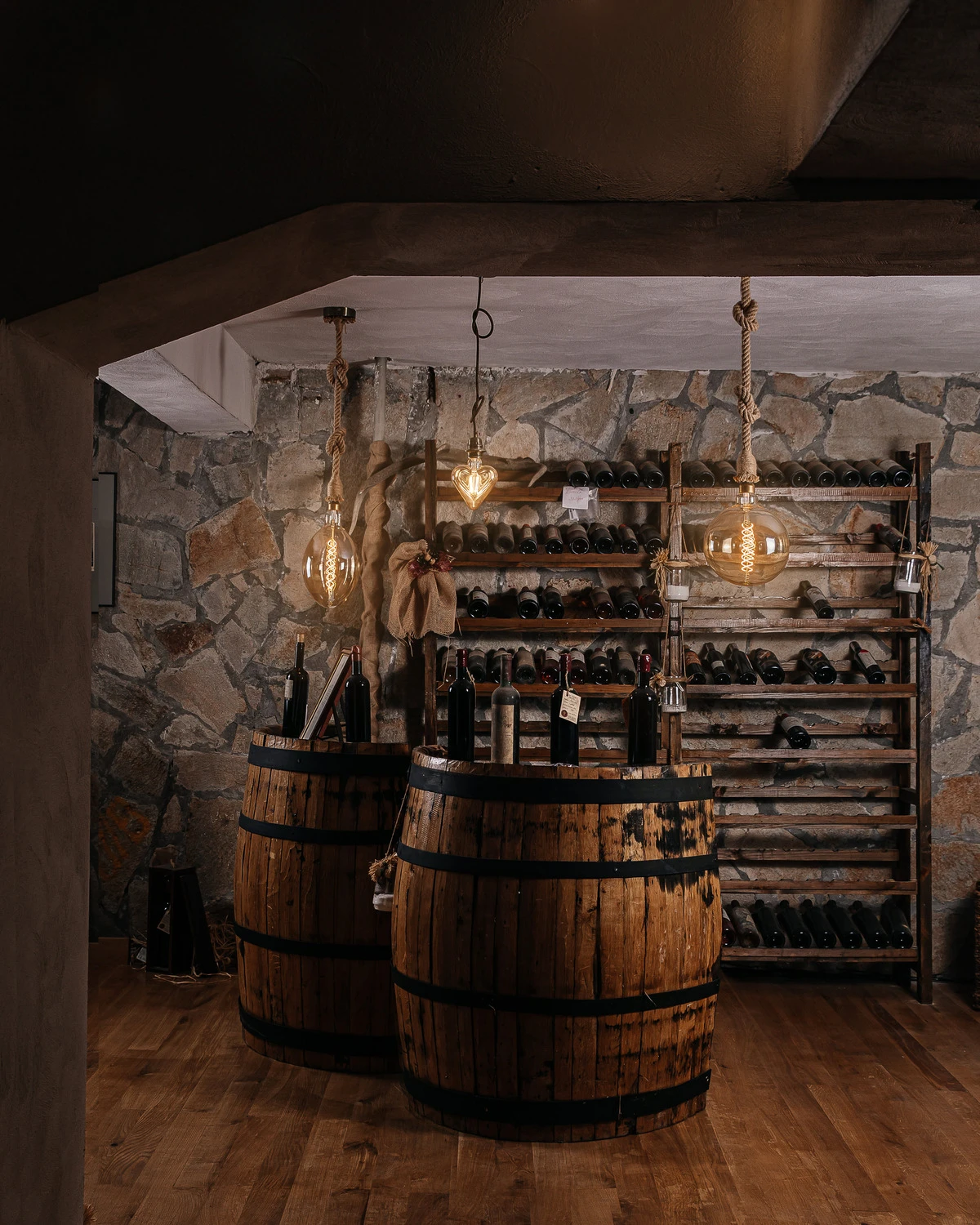
The Bulgarian wines that Villa Vinifera produces have a compelling story. Nestled in the heart of the Rhodope mountains, specifically in Brestovitsa village, the estate boasts a rich history established back in 1936. It was built by a German architect whose name has been lost to time, though rediscovered archival drawings confirm his professional touch. Originally named “Misket,” the facility has operated continuously since its inception, serving as a haven for guests seeking limited-edition vintages.
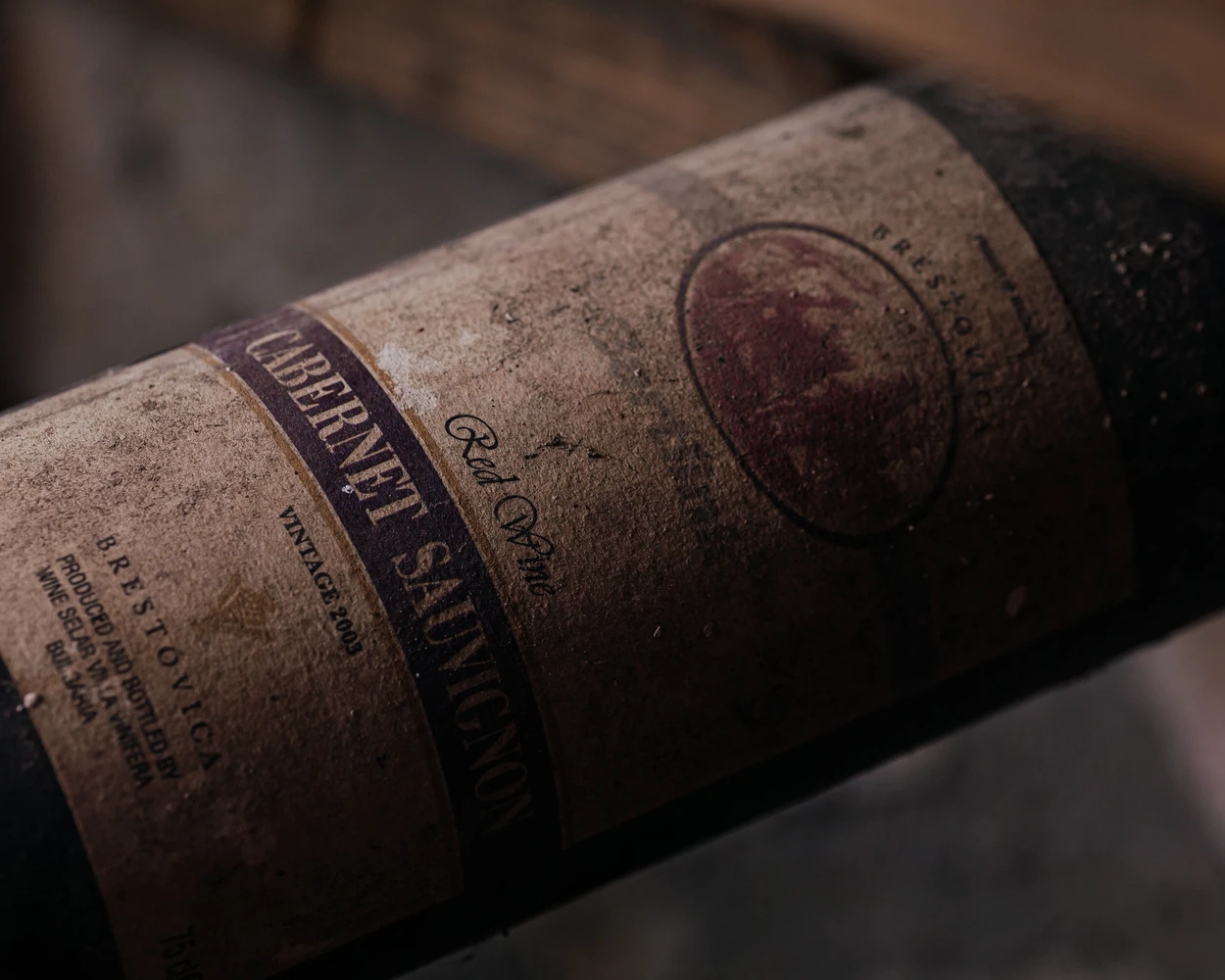
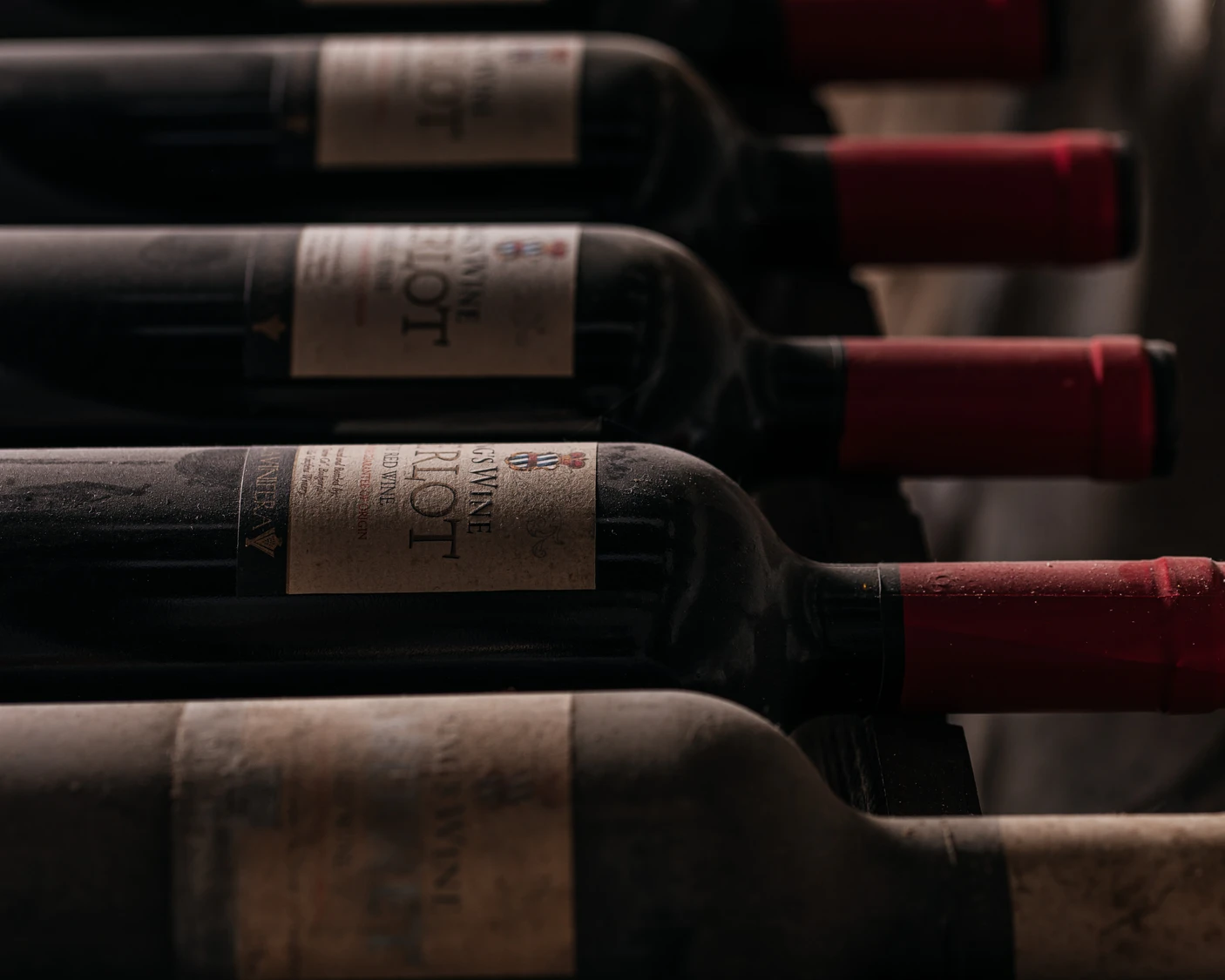
Their vineyards benefit from years of experience, optimal climatic conditions, and a unique geographical location. This ensures high-quality cultivation for varieties such as Mavrud, Merlot, Cabernet Sauvignon, Muscat, Chardonnay, and Traminer.
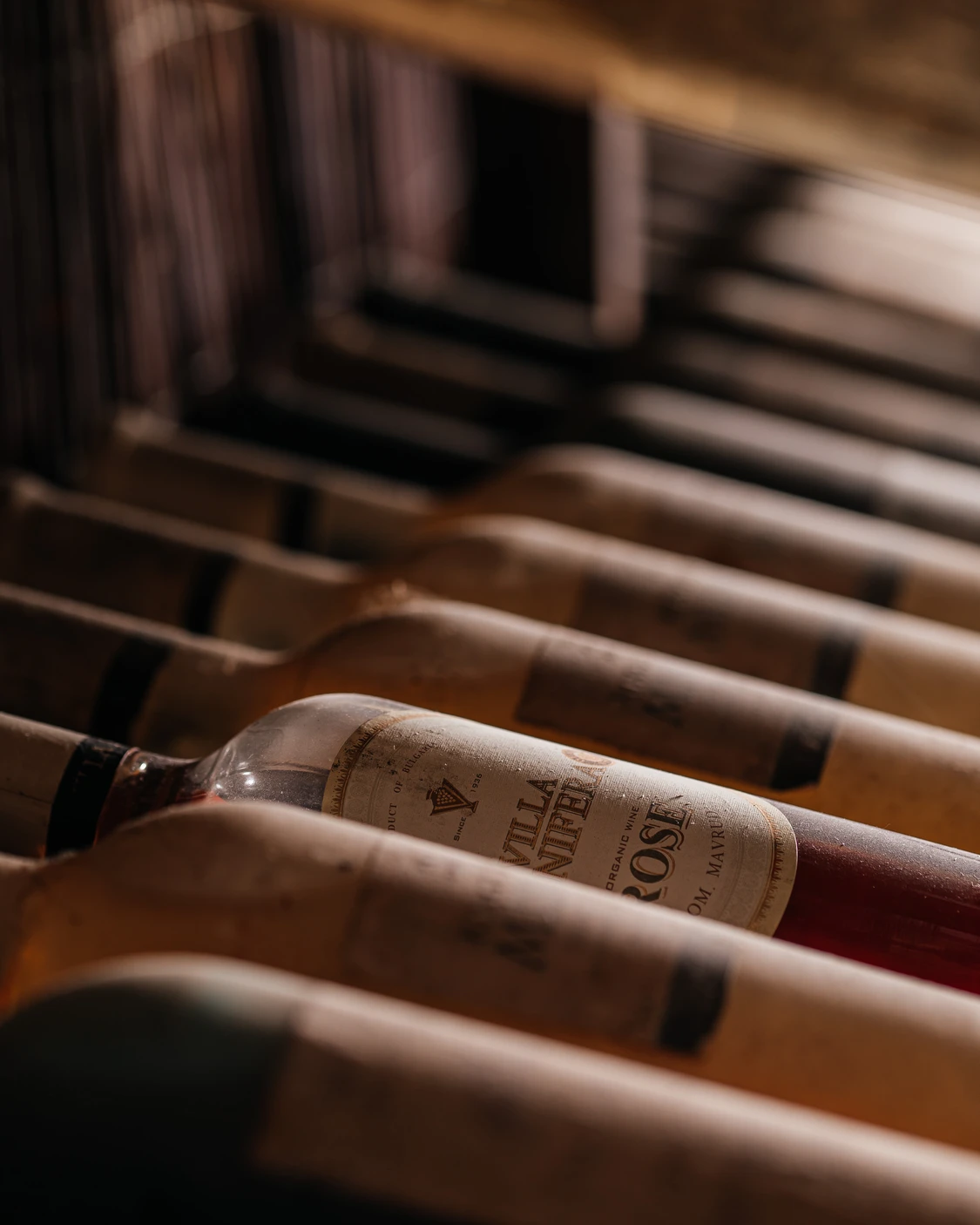
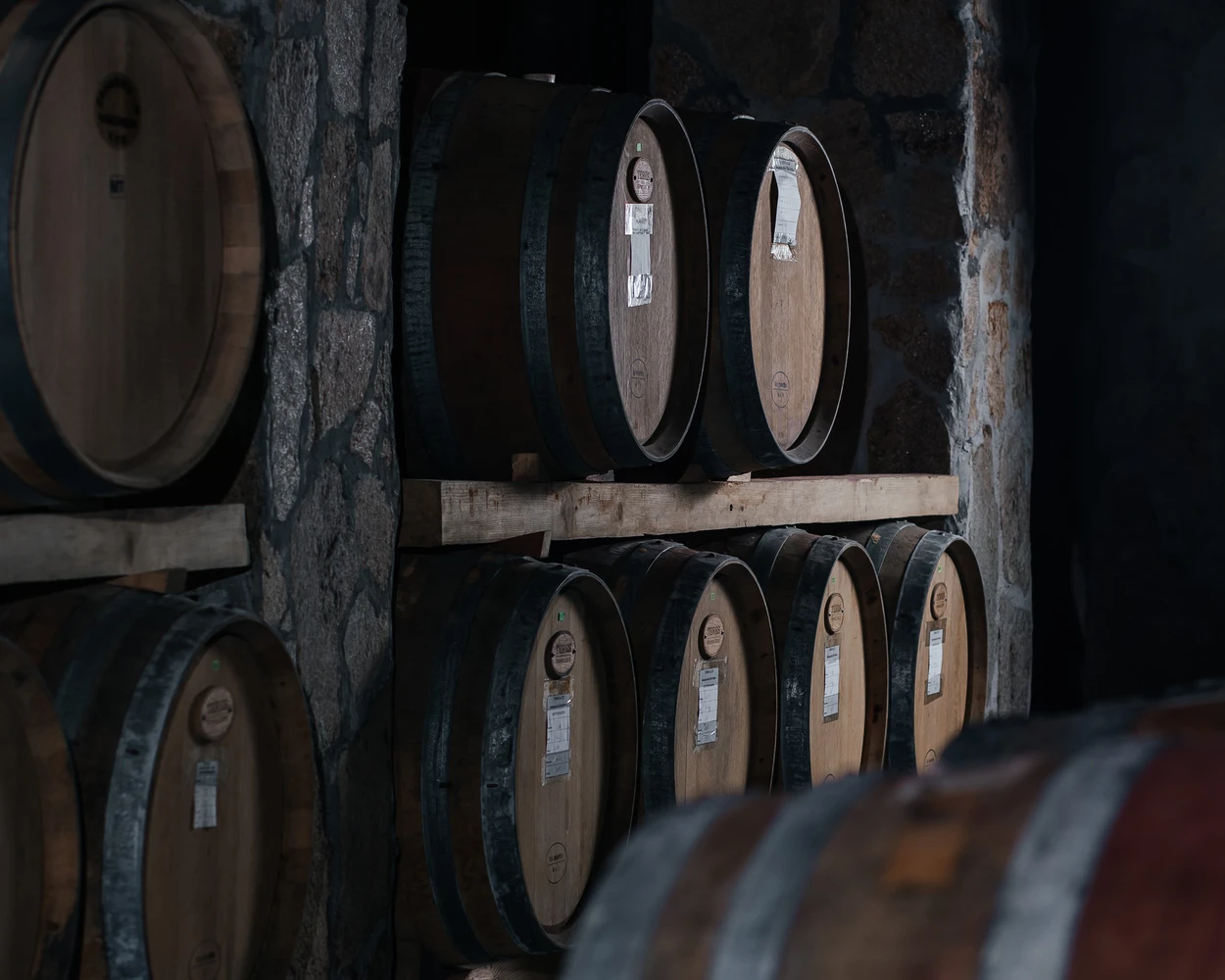
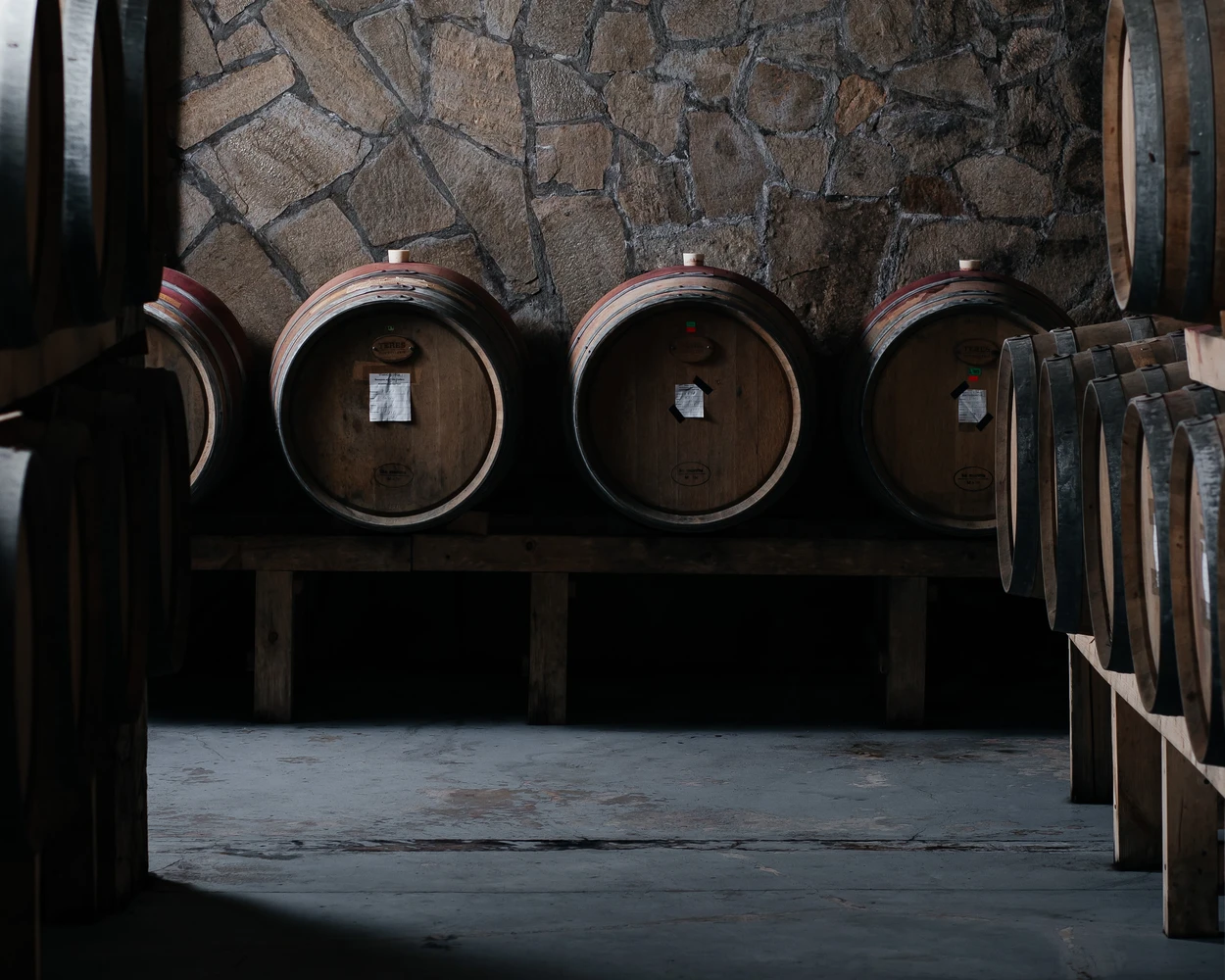
The paramount reason to visit is, undoubtedly, a deep love for wine itself. This passion is the essential ingredient that transforms a simple visit into an extraordinary experience. The bottles produced here carry their own fascinating history, accompanied by the stories of the people who craft them. During your visit, you’ll explore the impressive cellars where the liquid matures in oak barrels and perhaps even sample new vintages before their official release. If you visit during harvest season, you can witness the entire process, from freshly picked grapes to finished wine.
Now, let the winemaking story begin!
The Grape Harvest
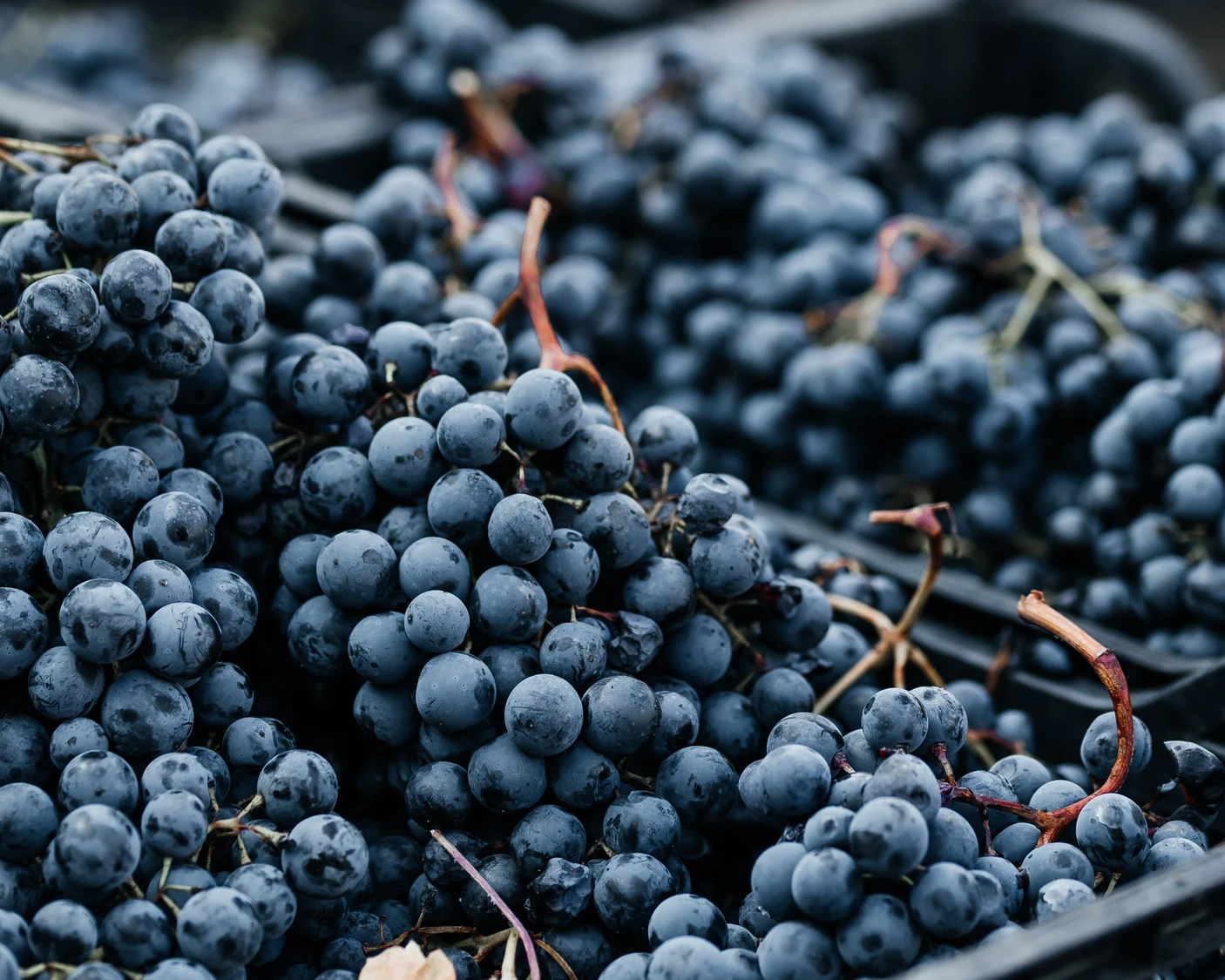
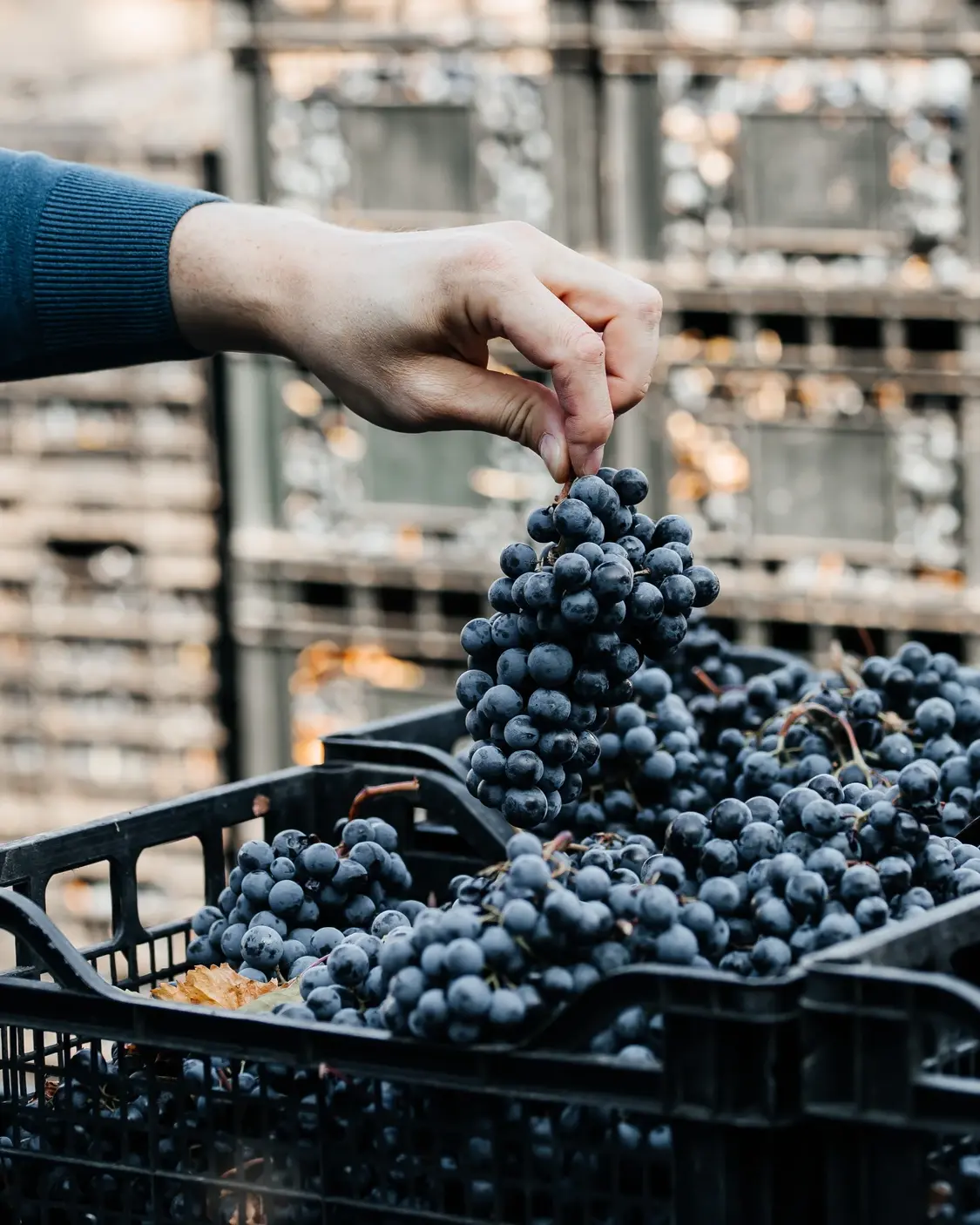
The harvest marks the crucial first step. Without this essential fruit, there would be no fine wine. No other fruit can annually produce such a reliable amount of sugar to yield sufficient alcohol, nor do other fruits possess the requisite acids, esters, and tannins to make a natural, stable product. Crafting exceptional wine demands that the grapes are harvested at a meticulously precise time. A combination of science and old-fashioned tasting usually dictates the ideal moment, with consultants and vineyard managers contributing their expertise.
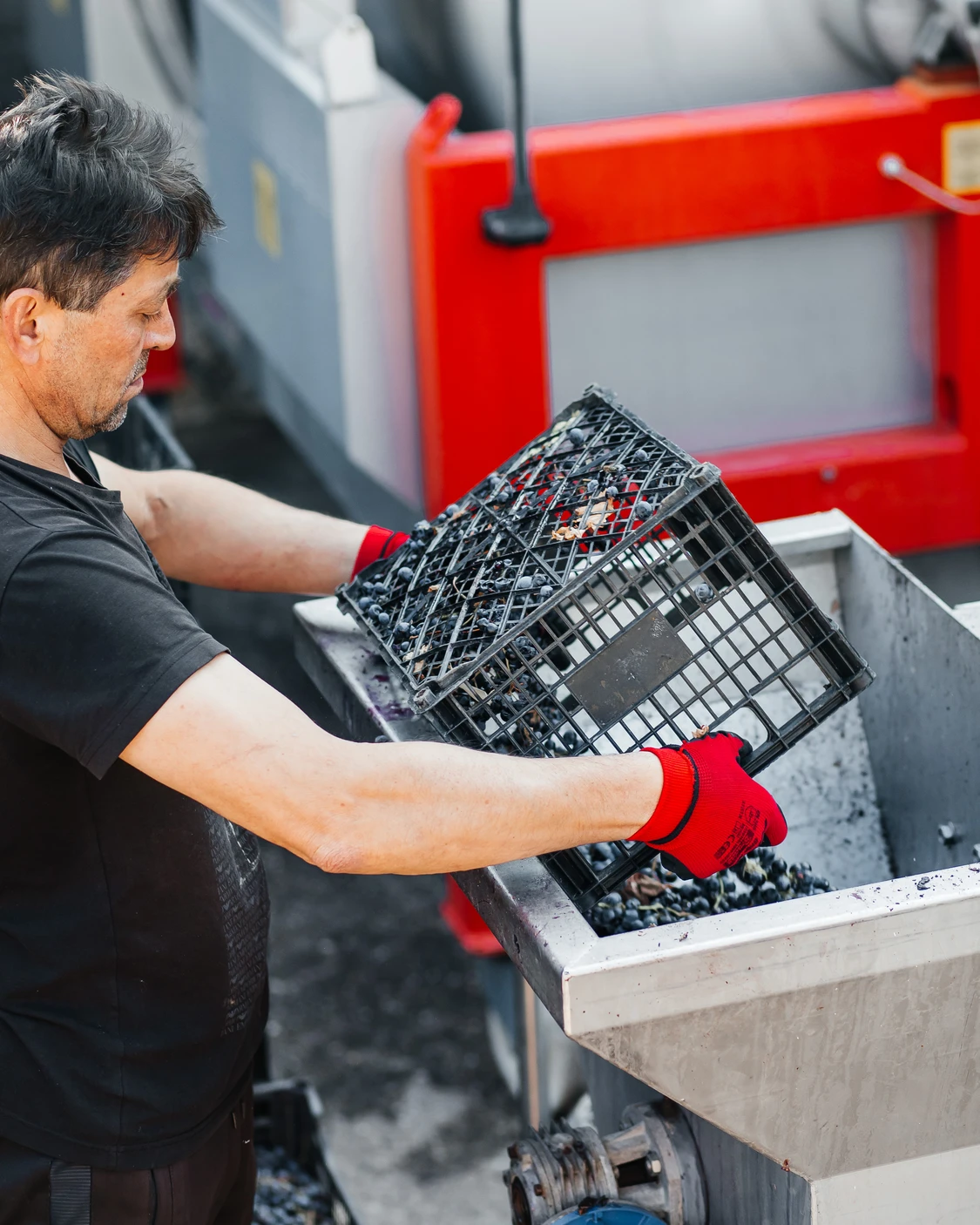
At Villa Vinifera, harvesting is often done by hand to preserve the grapes from mechanical damage and ensure quality by culling out any under-ripe fruit. Upon arrival, experienced winemakers sort the bunches again before the crushing process begins. While we didn’t participate in the fields, the option to collect grapes yourself is available upon request!
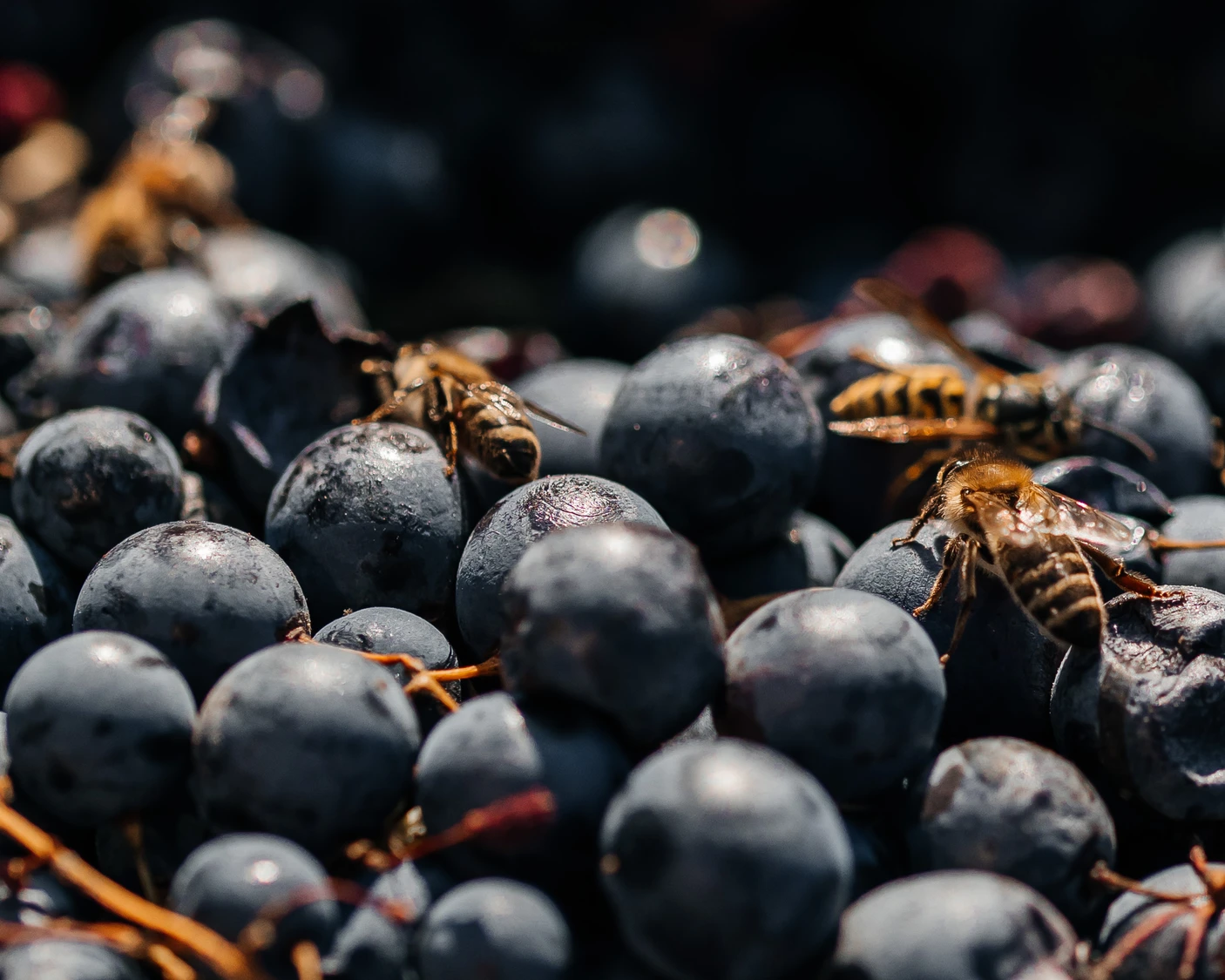
A delightful caution: bees adore the sweet grapes! They are often found sneaking around, patiently waiting for the finest fruit to be collected before they begin their own sweet banquet.
Grape Crushing and Wine Pressing
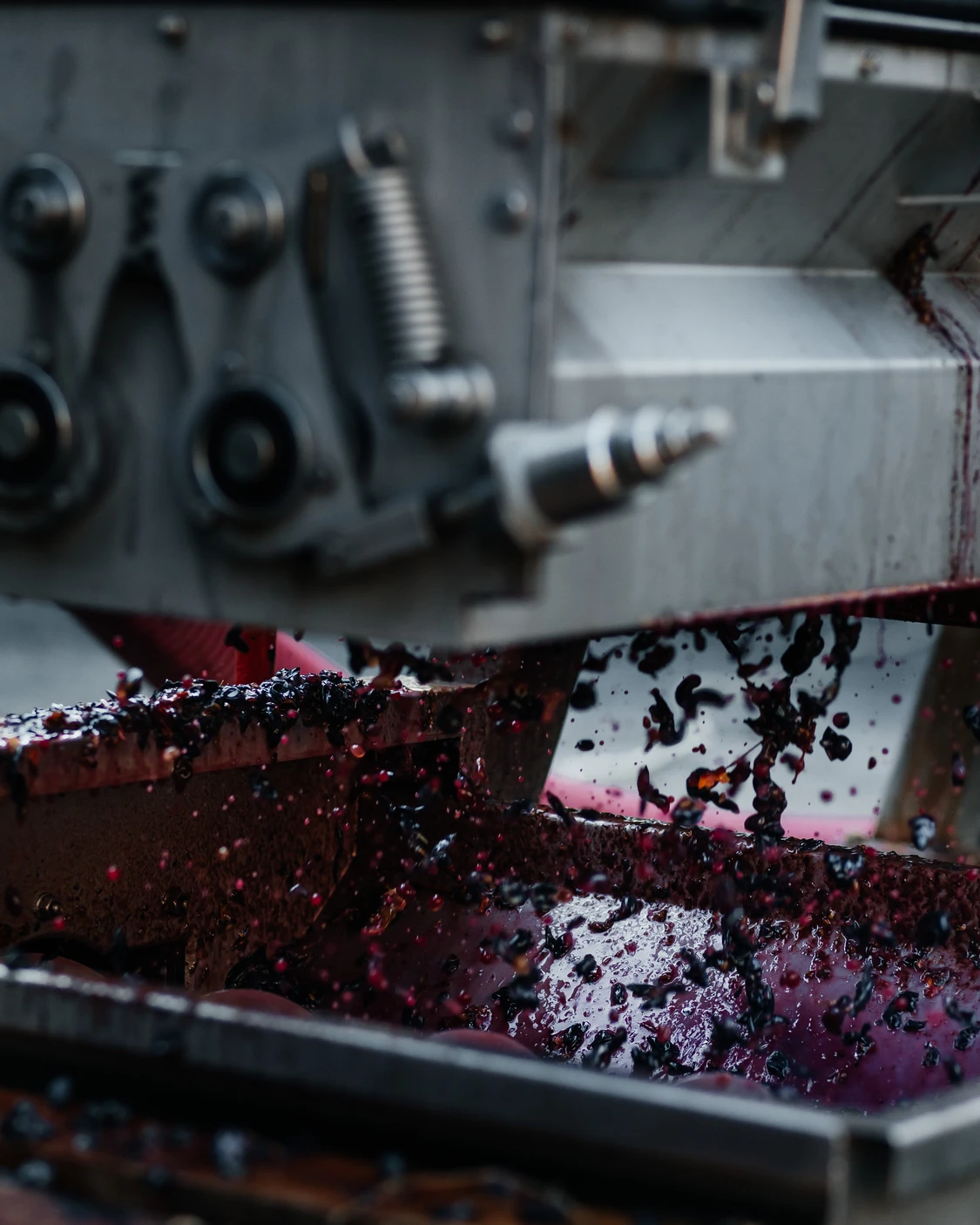
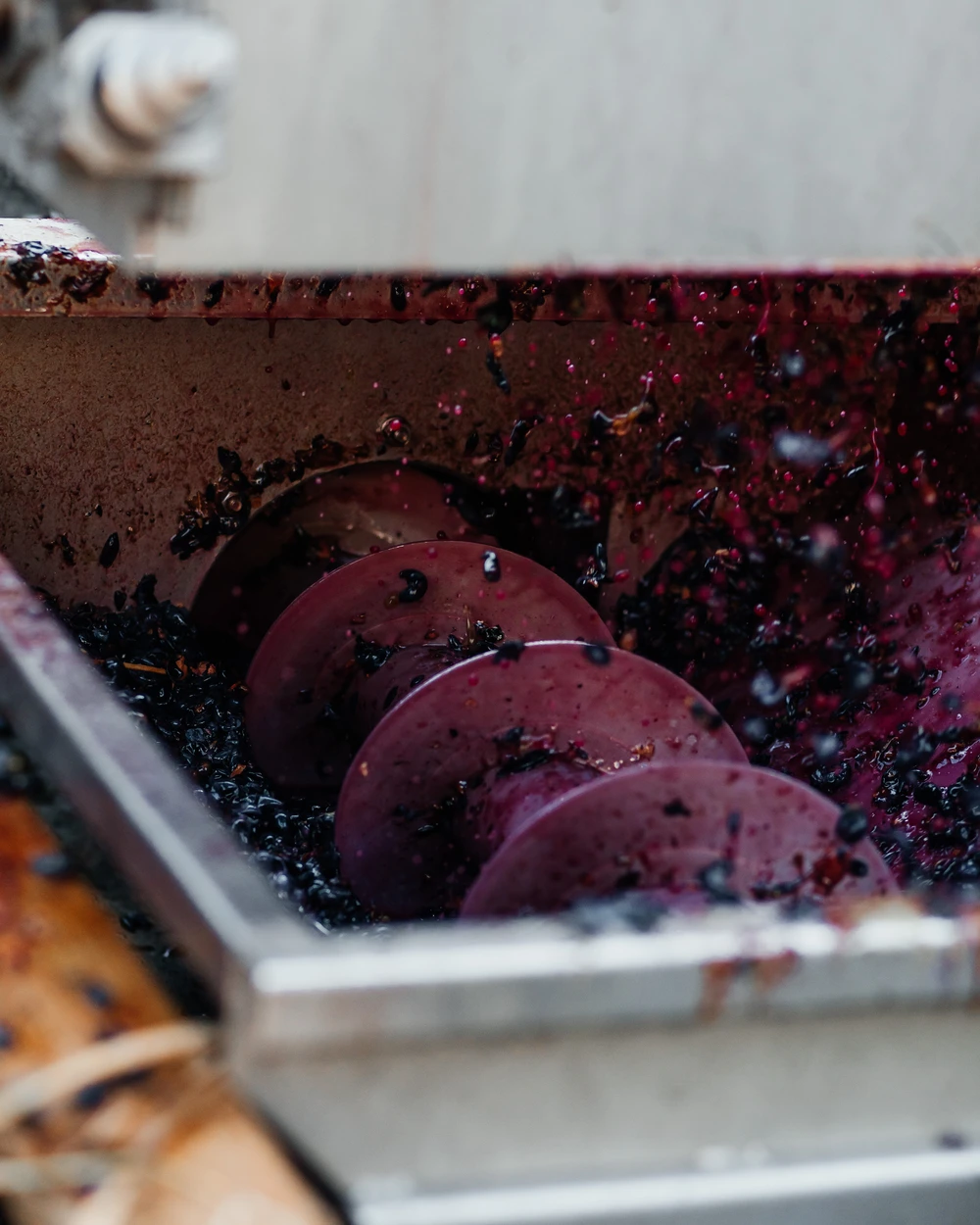
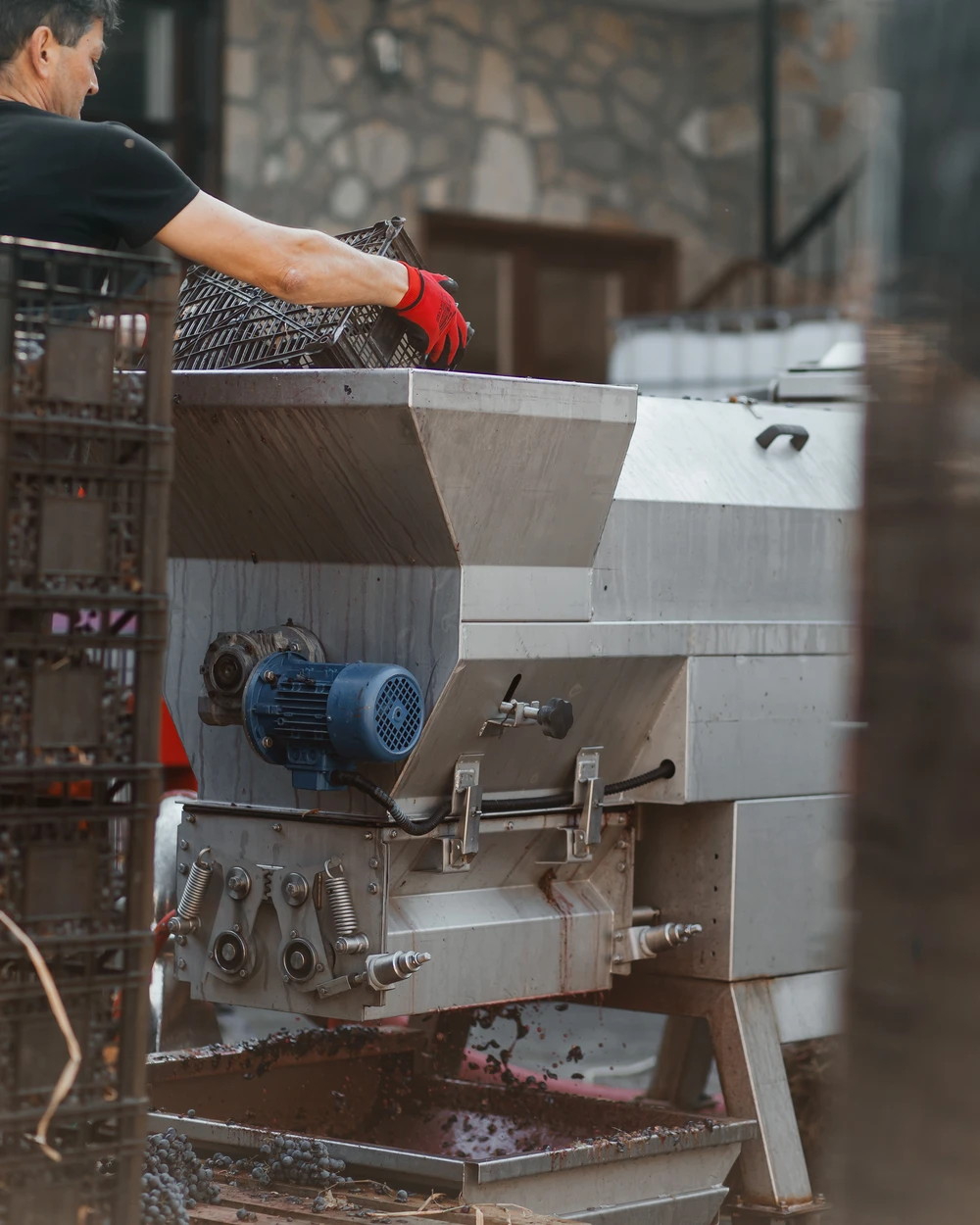
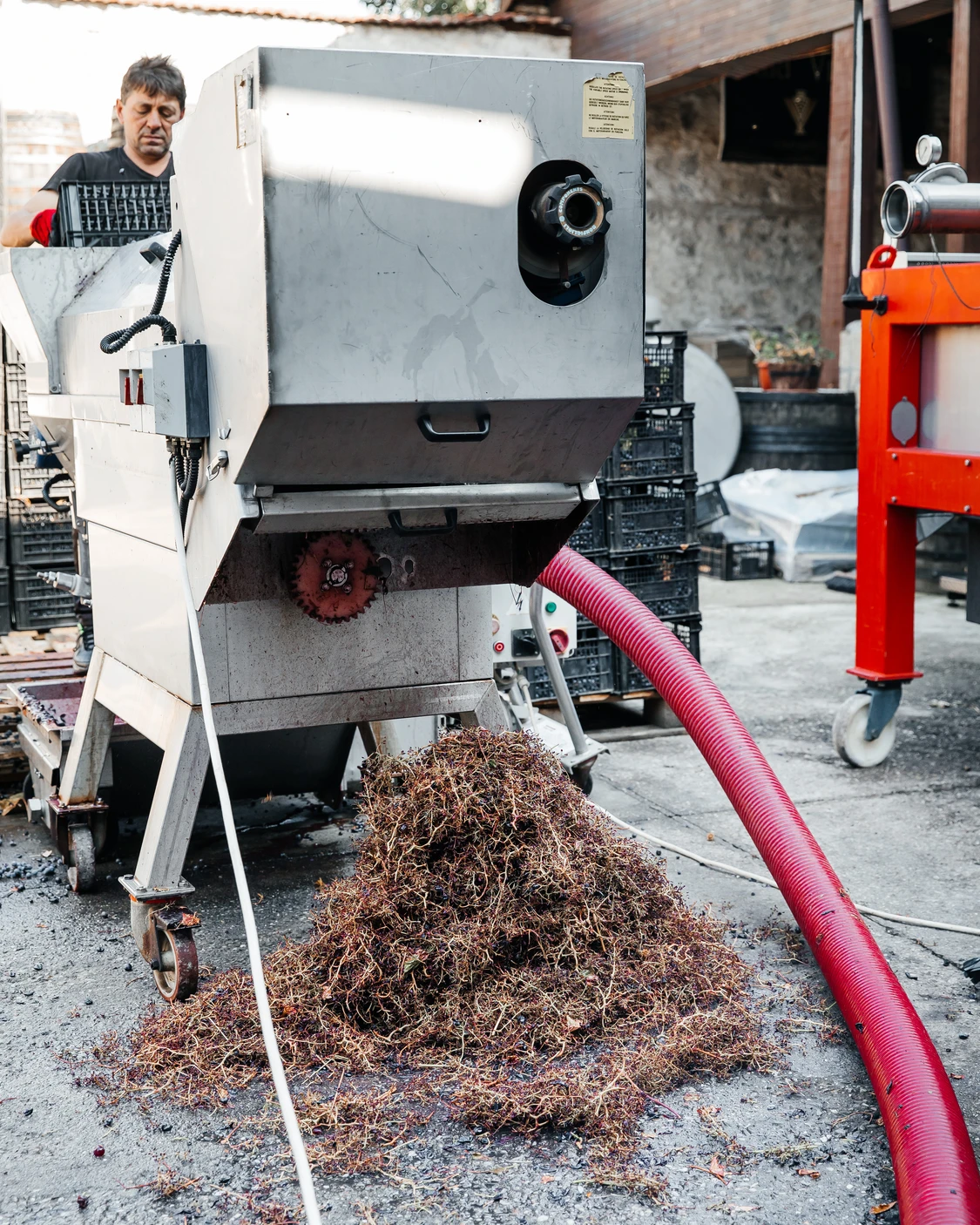
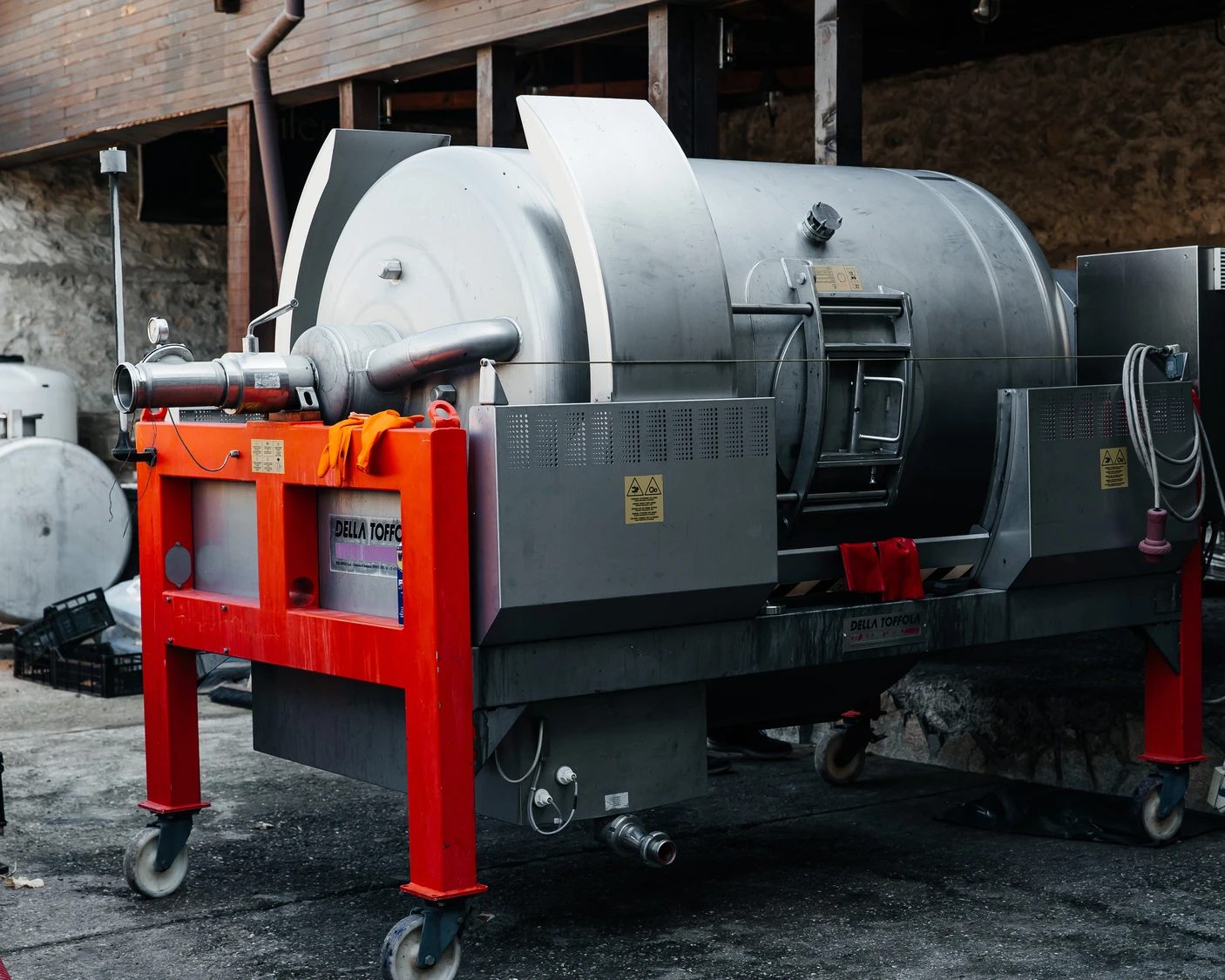
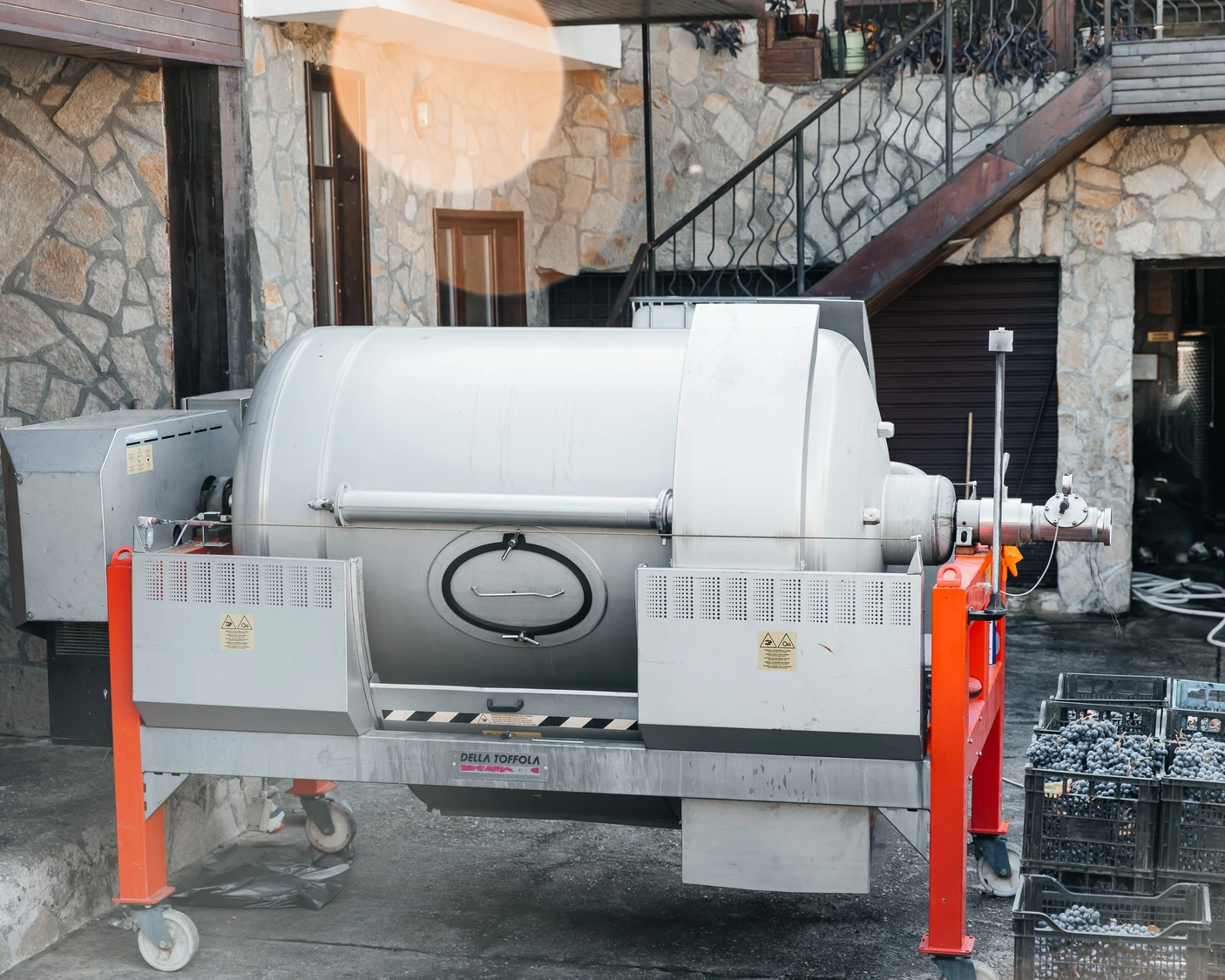
Crushing whole clusters of fresh, ripe grapes traditionally follows as the next vital step. Modern wineries, including Villa Vinifera, now utilize mechanical crushers to efficiently transform the grapes into “must,” replacing the time-honored tradition of stomping. For thousands of years, men and women performed the harvest dance in barrels, beginning the juice’s magical transformation. As with anything in life, change involves something lost and something gained. While some romance has departed with mechanical presses, the sanitary gains are immense. This method has improved the quality and longevity of Bulgarian wine while reducing the need for preservatives.
Up until crushing and pressing, the steps for making white and red wine are essentially the same. However, if a winemaker is making white wine, they will quickly press the must after crushing to separate the juice from the skins, seeds, and solids. This prevents unwanted color and tannins from leaching into the delicate liquid. Essentially, white wine sees very little skin contact, while red wine is left in contact with its skins to garner color, flavor, and structure during fermentation.
Wine Fermentation
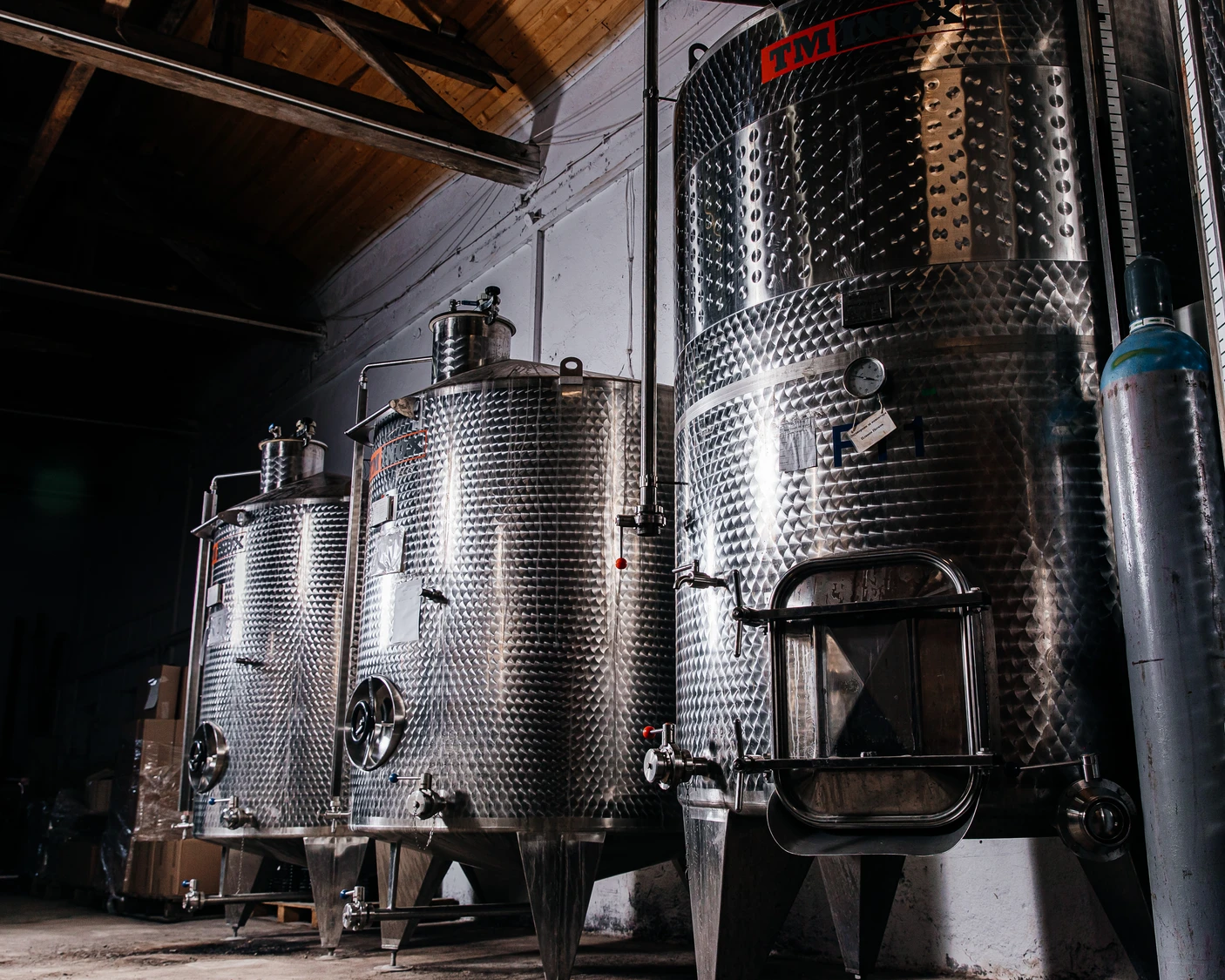
Fermentation is the transformative magic at the heart of the process. If left to its own devices, must will begin fermenting naturally within 6-12 hours thanks to wild yeasts in the air. In very clean, well-established vineyards, this natural fermentation is often welcomed. However, many winemakers prefer to intervene by inoculating the must to eliminate unpredictable wild yeasts and introduce a specific strain for a predictable result. Regardless of the chosen approach, once fermentation commences, it typically continues until all grape sugar is converted into alcohol, resulting in a dry wine. This can take anywhere from ten days to a month. Sweet wines, conversely, are crafted when the process is deliberately halted before all natural sugars are converted.
Wine Clarification
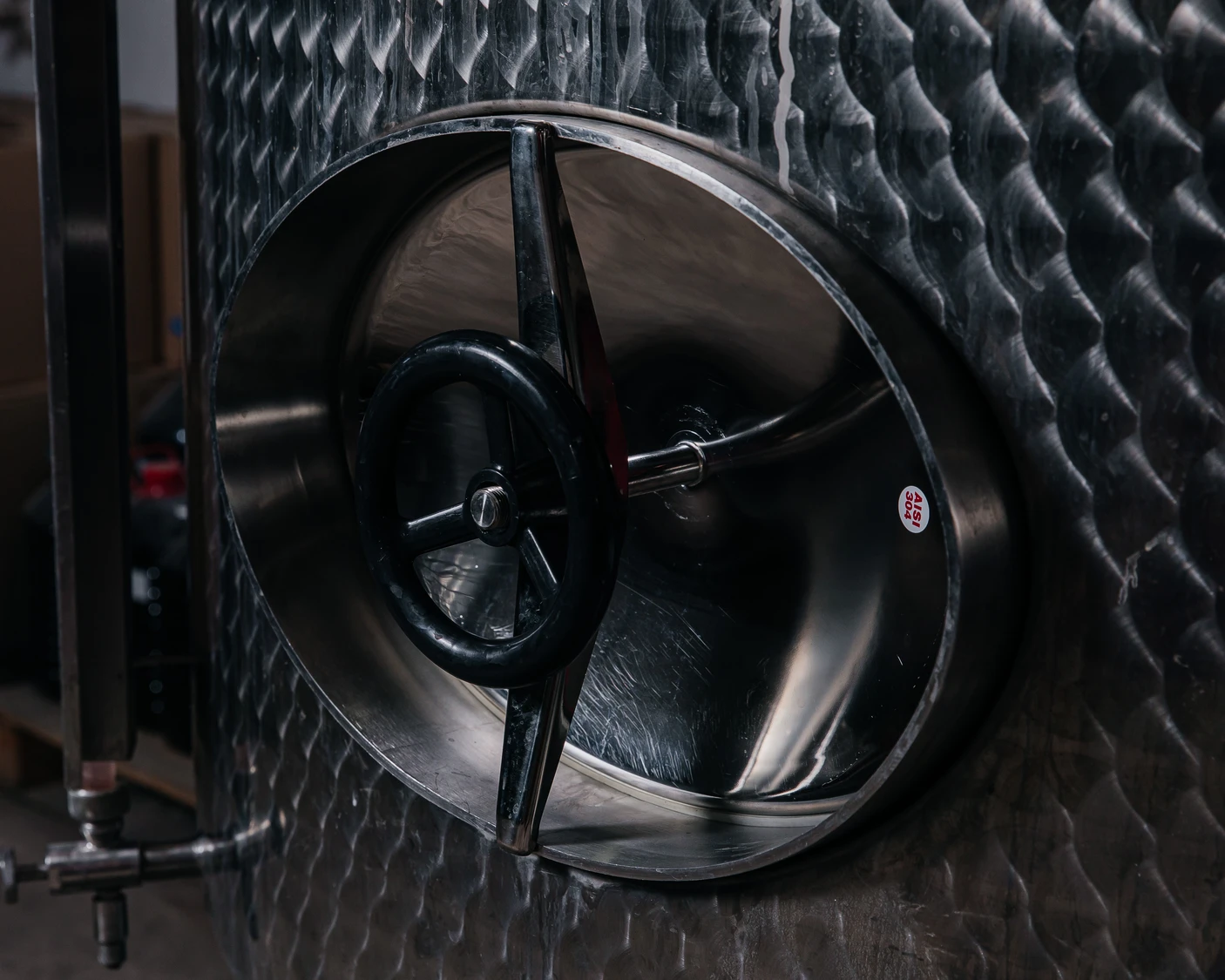
After the fermentation process is successfully completed, the crucial clarification stage begins. At the winery, the team racks or siphons the liquid from one tank to another, aiming to leave behind precipitates and solids (pomace) at the bottom of the vessel. Filtering and fining may also be done at this stage. Filtration ranges from coarse filters that catch large solids to sterile pads that strip the liquid of all life. The clarified wine is then transferred to another vessel, prepared for either immediate bottling or extended aging.
Wine Aging and Bottling
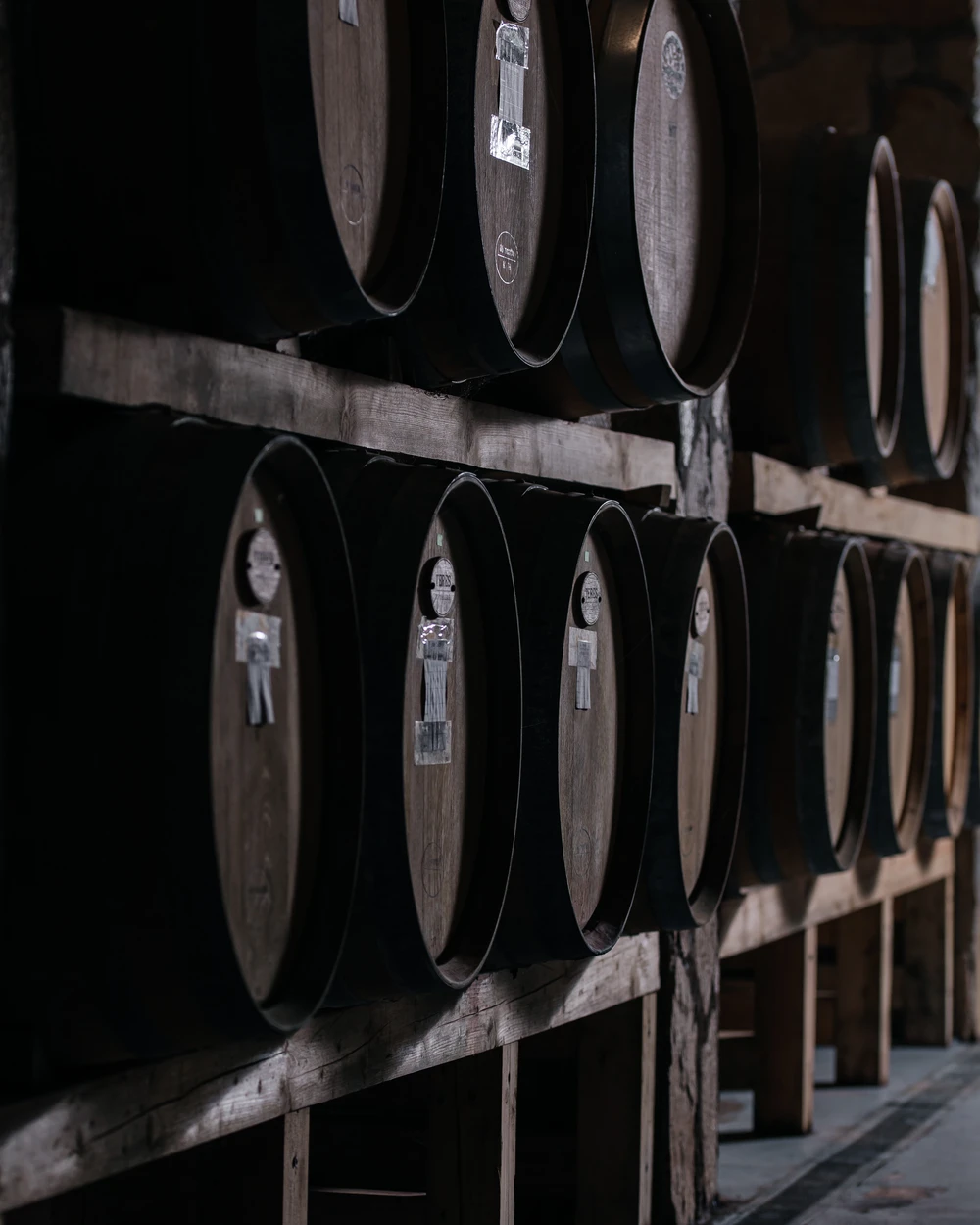
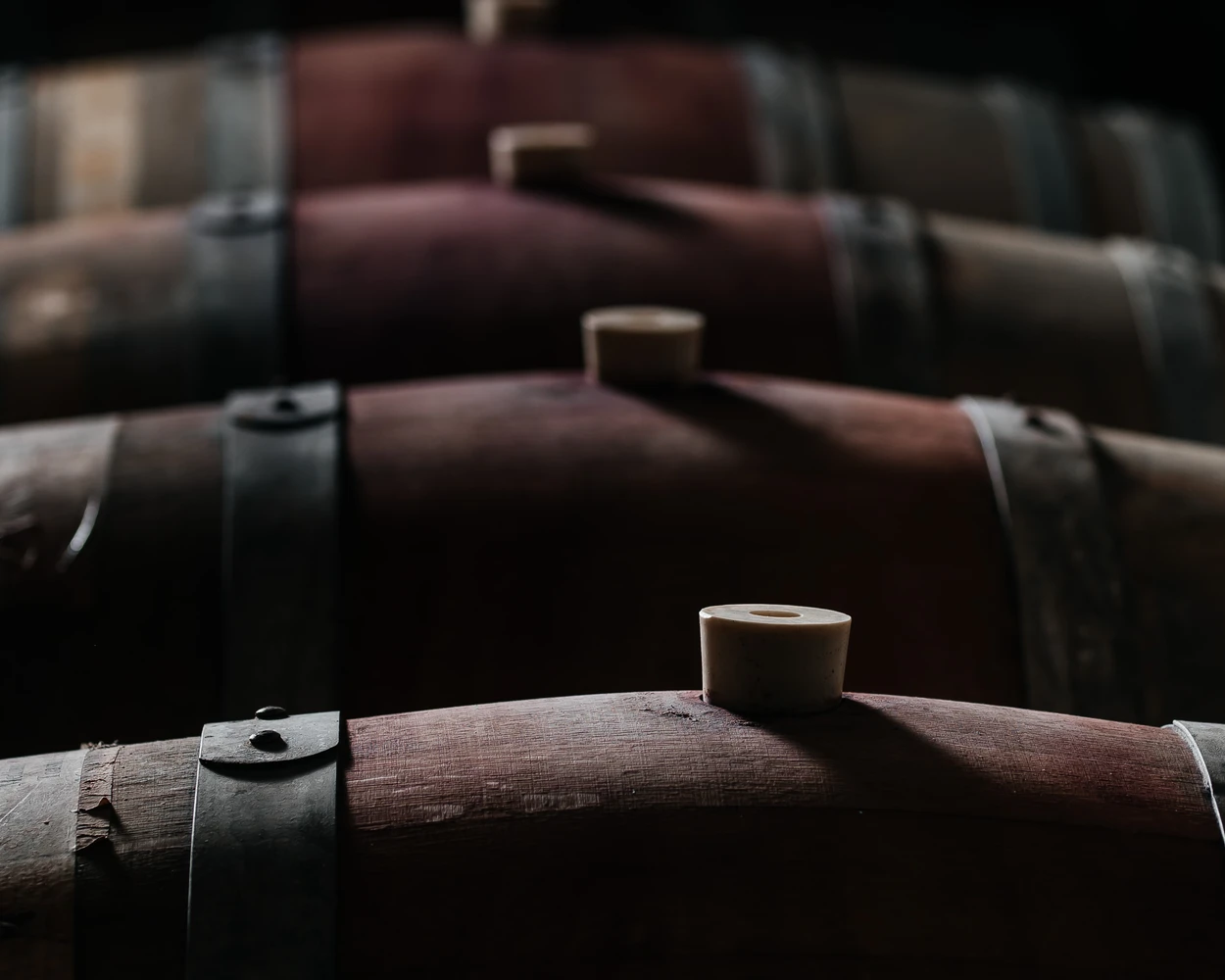
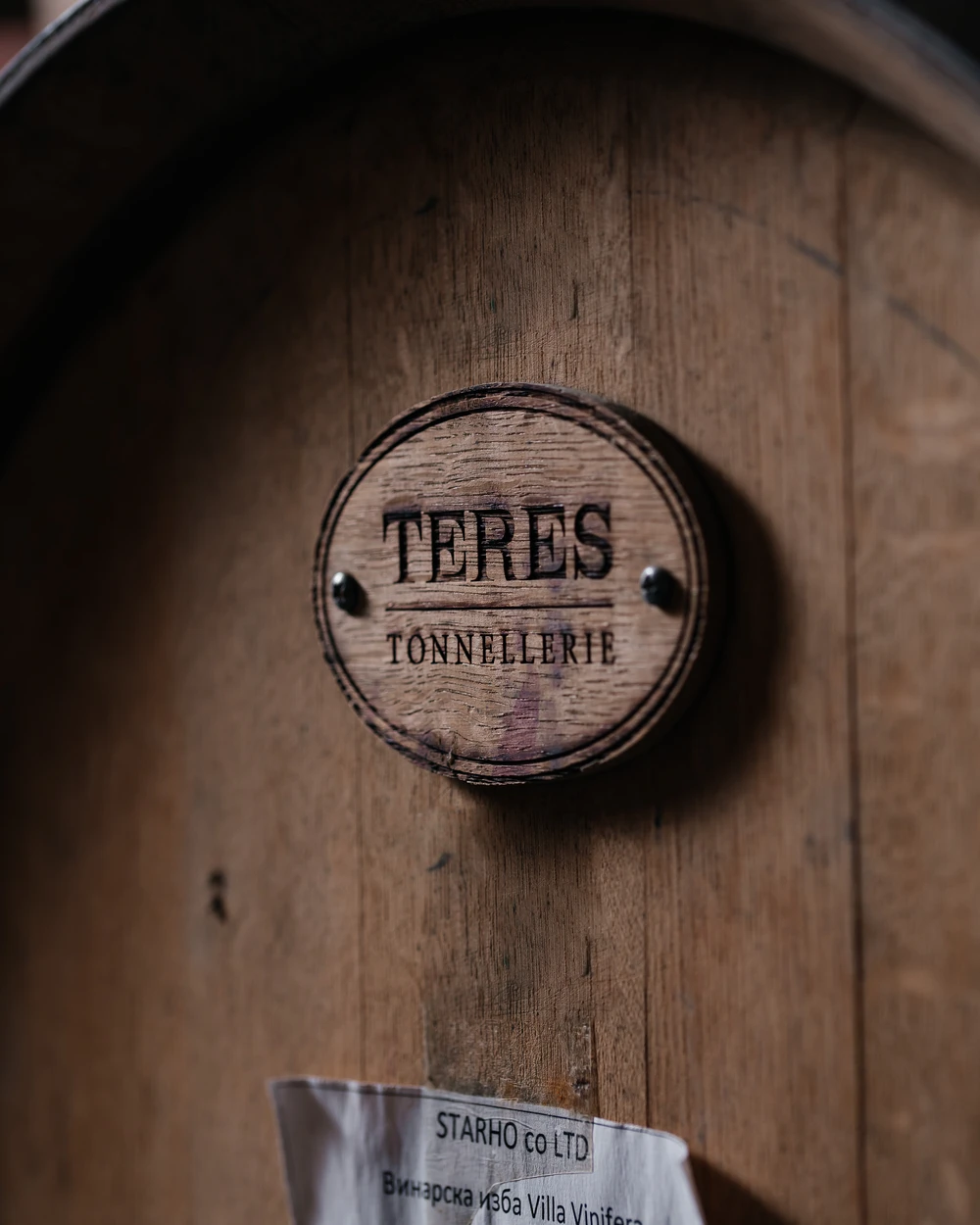
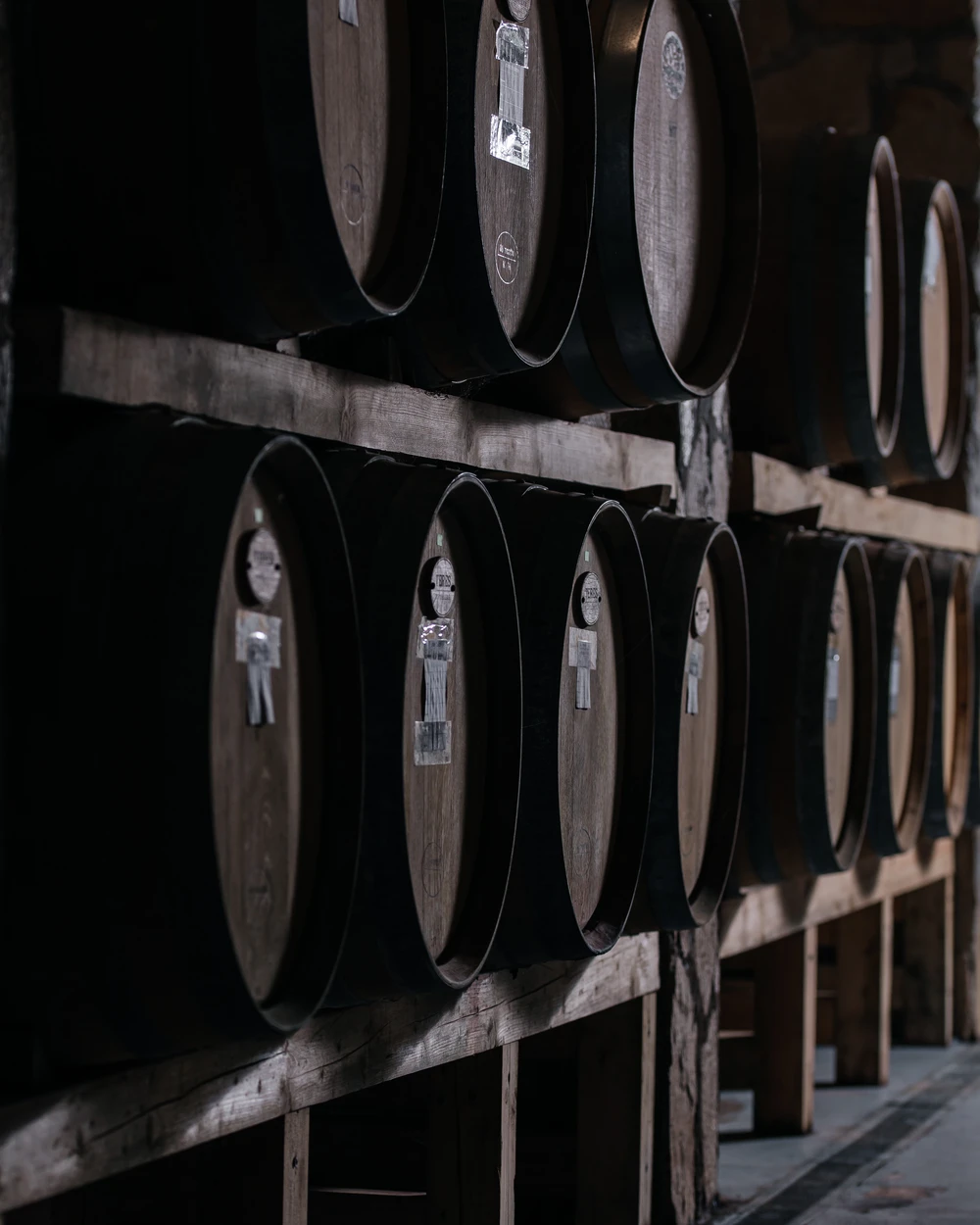
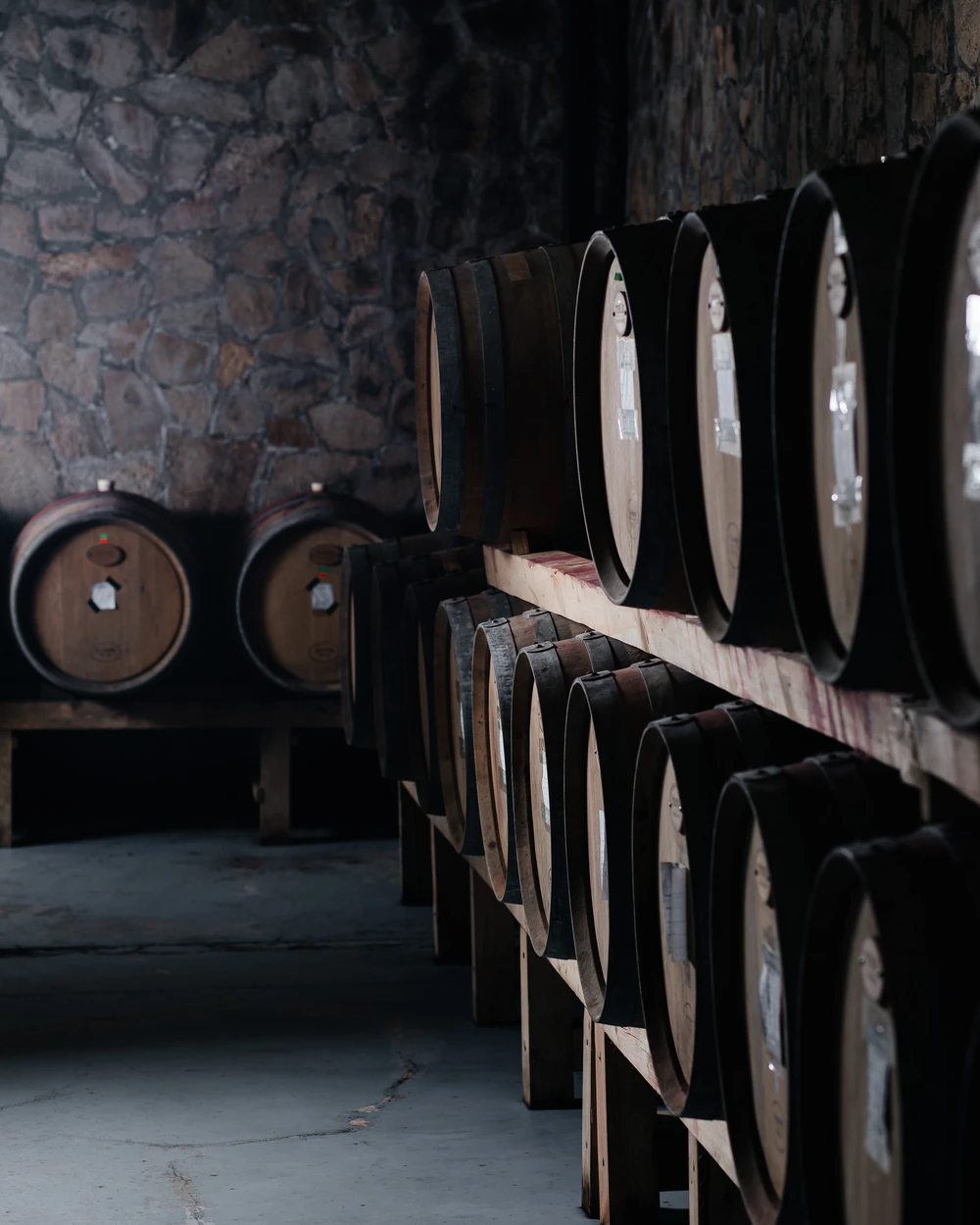
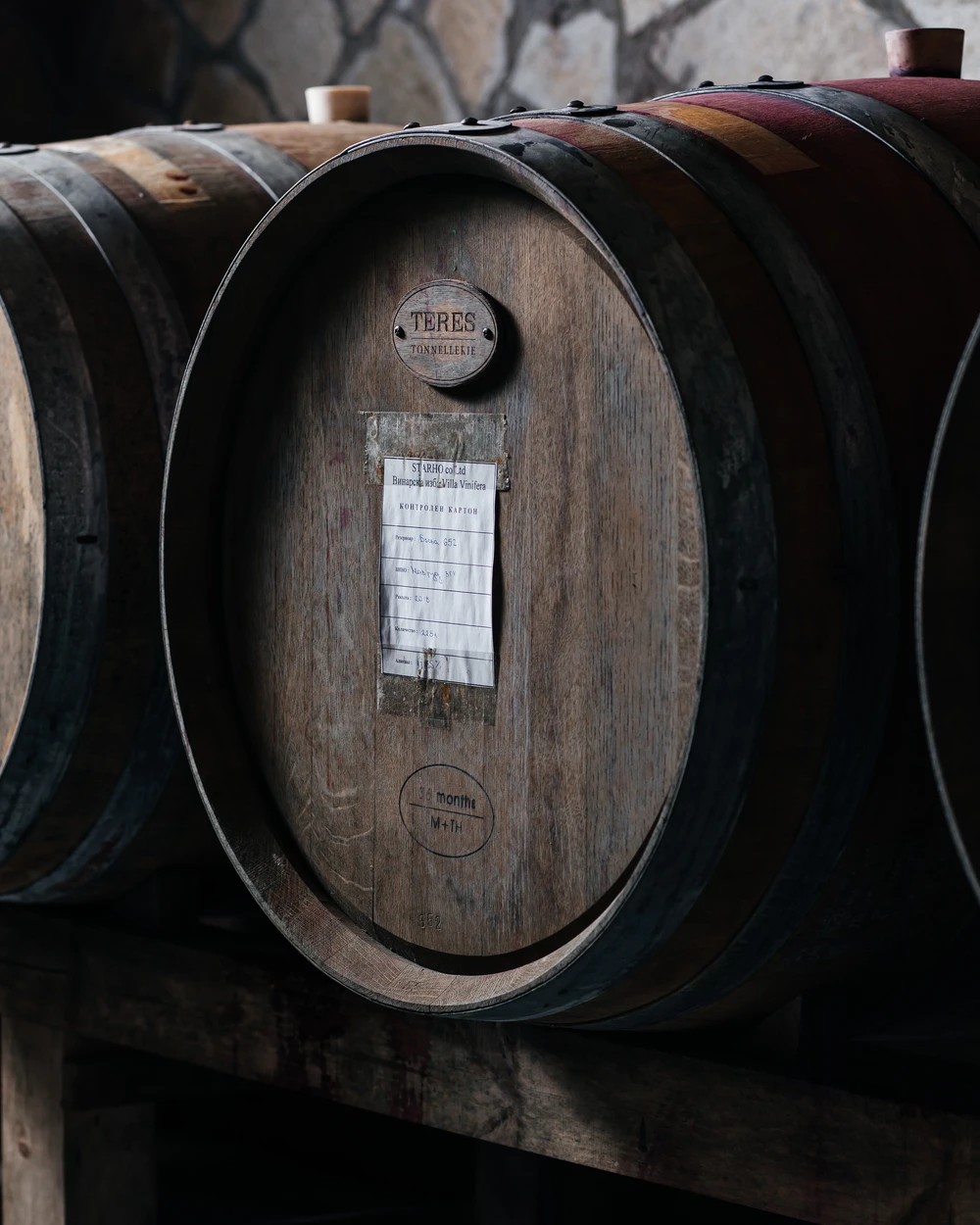
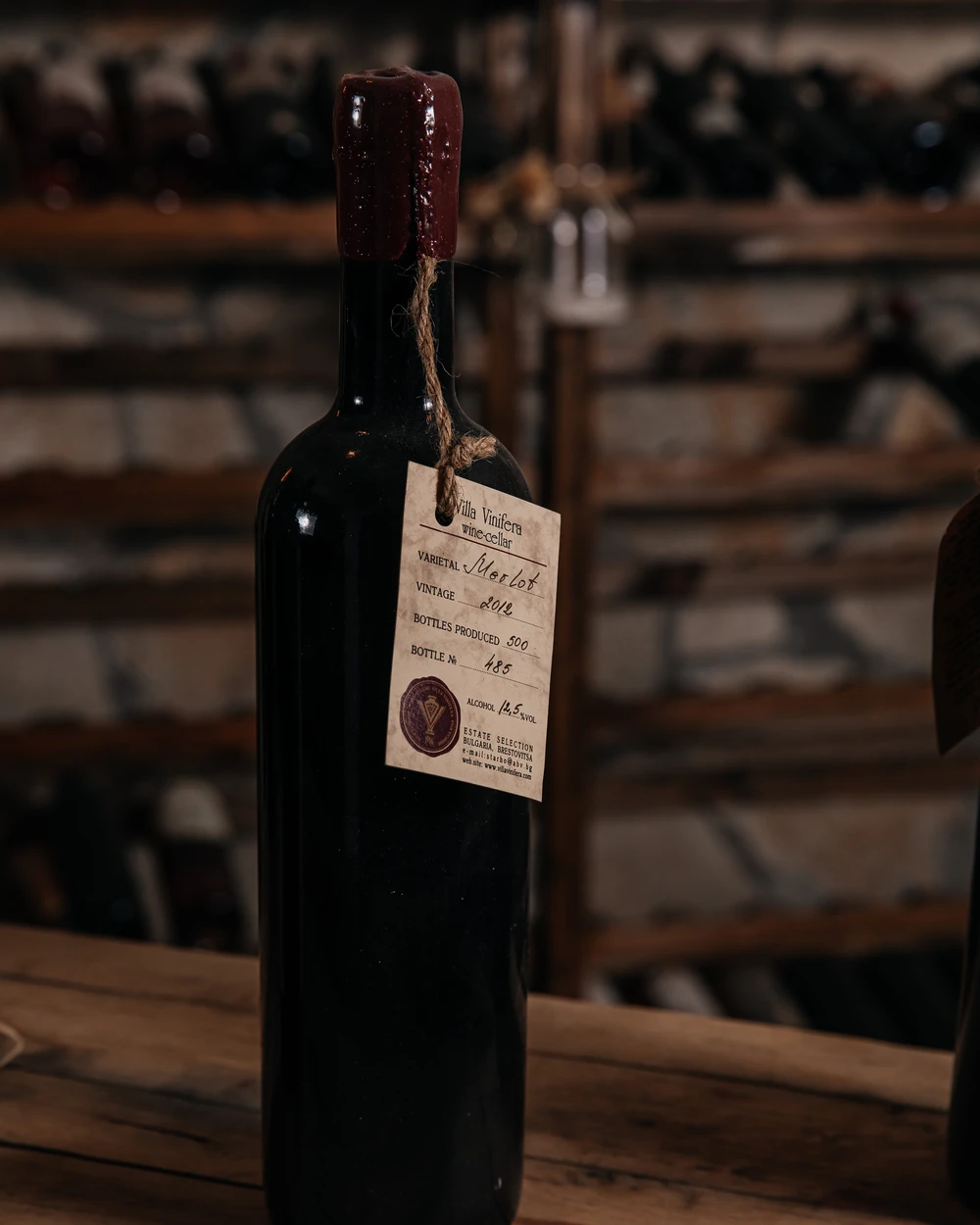
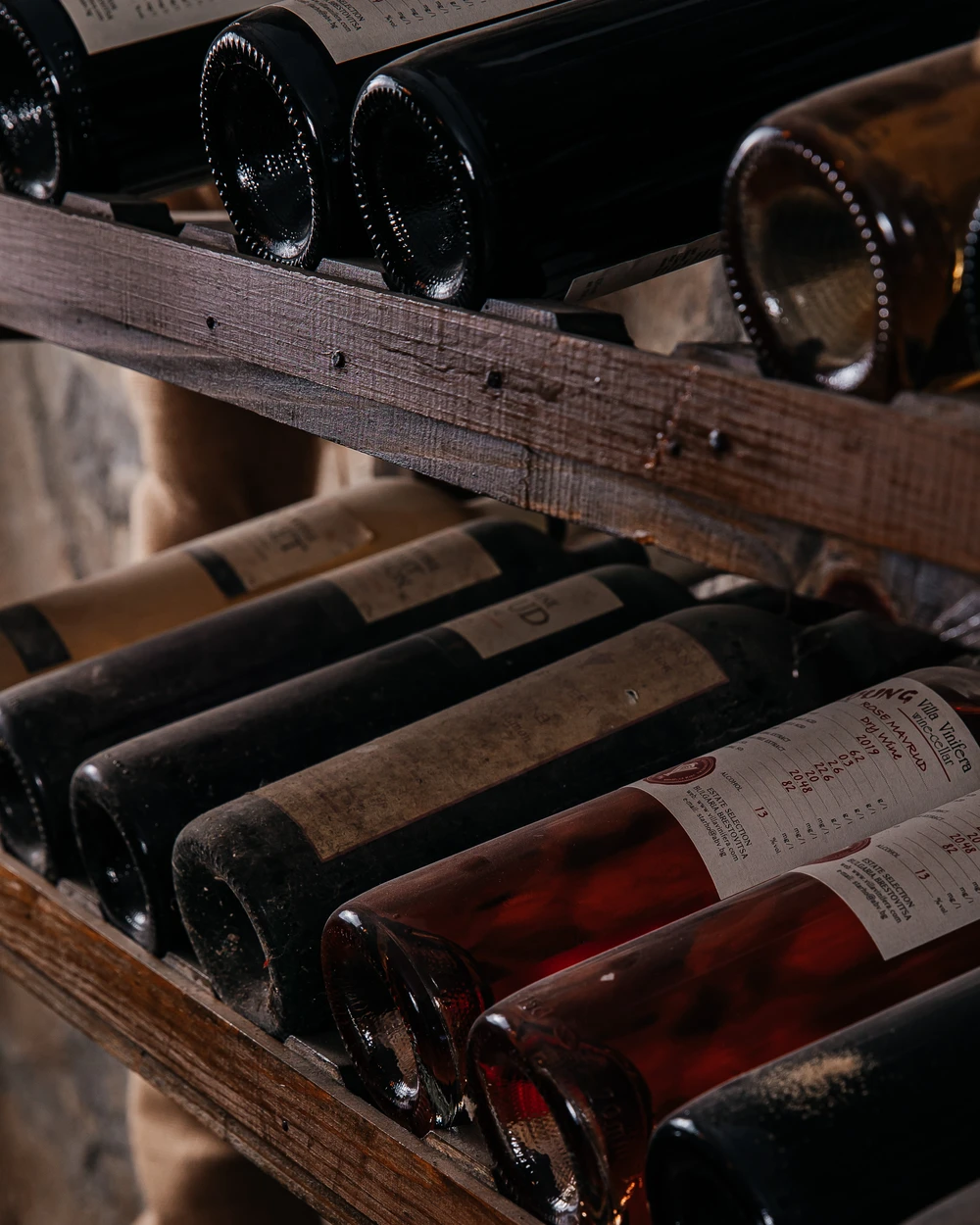
The culmination of the winemaking process involves meticulous aging and bottling. Following clarification, the winemaker makes the strategic choice to bottle immediately or allow for additional aging, as is often the case with a robust Cabernet Sauvignon. This crucial aging typically occurs in high-quality wooden barrels. The most important consideration here is the quality of the wood. Notably, Villa Vinifera predominantly utilizes premium barrels sourced from Teres, the largest barrel producer in Bulgaria. The techniques employed in this final stage are nearly endless, showcasing the true expertise of the winemaker.
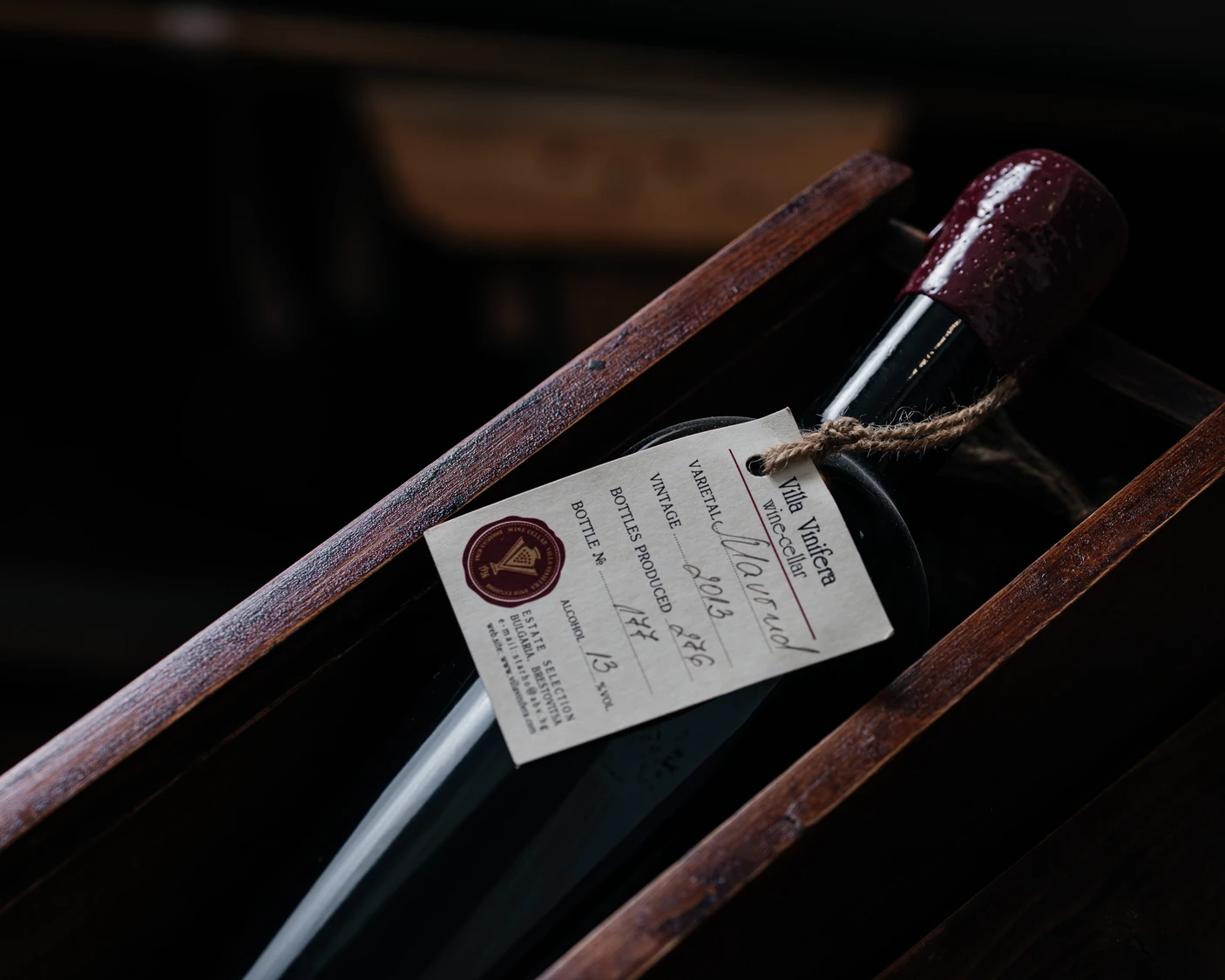
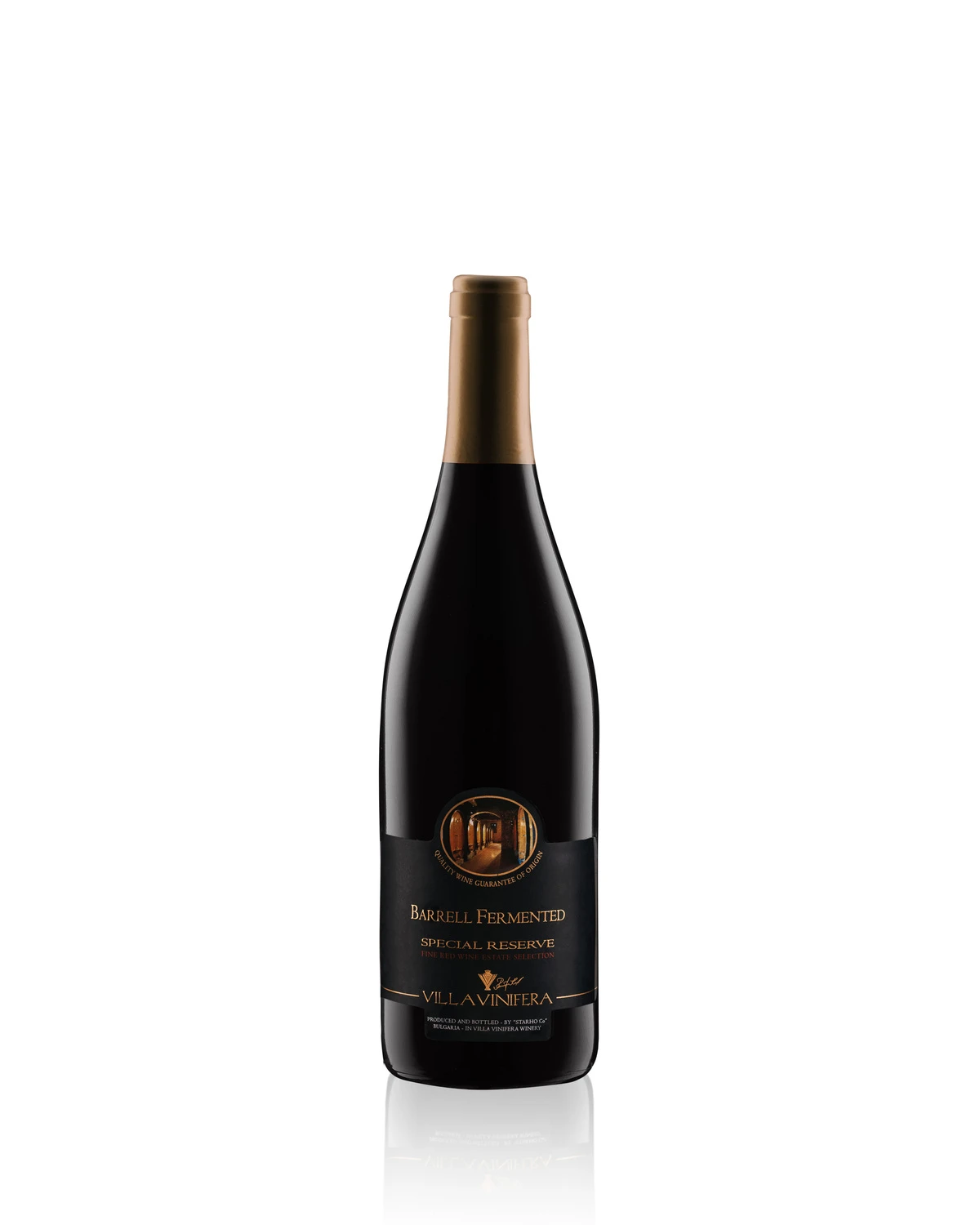
Recommended Villa Vinifera Wine: Barrel Fermented Cabernet Sauvignon & Mavrud
For red wine enthusiasts, my personal recommendation from their exquisite selection is the Barrel Fermented Cabernet Sauvignon & Mavrud. This premium blend truly embodies the winery’s dedication to quality.
Characteristics / Tasting Notes:
- Variety: An exceptional blend of Cabernet Sauvignon and Mavrud.
- Color: Deep ruby color with captivating highlights.
- Aroma: An explosion of blueberries, black cherries, sour cherries, dark chocolate, pepper, and wood, complemented by a slight vanilla sweetness.
- Taste: A round and fruity body with melted tannins and a velvety nuance. It offers a long, spicy, and captivating finish.
Are You Ready for a Visit to Villa Vinifera Winery?
Here are some essential tips for making the most of your visit and tasting experience:
-
Book Your Tour in Advance: Advance booking is strongly recommended. Smaller, privately-owned spots like Villa Vinifera may not be open every day. It’s always better if they know you are coming so they can prepare properly.
-
Explore Tour Packages: Check available options for tastings and their prices beforehand. Most places offer various packages depending on your interest level, allowing you to choose the experience that best fits your preferences.
-
Avoid Perfumes: Most people attend tastings to appreciate the complex aromas of the wine. A common mistake is using strong perfume, which can interfere with the delicate olfactory experience.
-
Take Detailed Notes: Taking notes is highly encouraged so you can track which varieties you tasted and how they presented themselves. This information is invaluable if you decide to purchase a specific bottle later.
-
To Spit or To Drink: If you are a professional tasting many options, spitting is a well-accepted practice. If you are there to relax, try sipping slowly to avoid getting inebriated too quickly. However, if you genuinely fall in love with a particular glass, don’t hesitate to drink the whole thing and savor every drop.
-
Consider Purchasing Your Favorites: There is no pressure to buy, but for those bottles you adore, we always bring a cooling bag or styrofoam box to safely carry our purchases home.
-
Prioritize Safe Travel: Always ensure responsible travel after your visit. Designate a sober driver or arrange for alternative transportation.