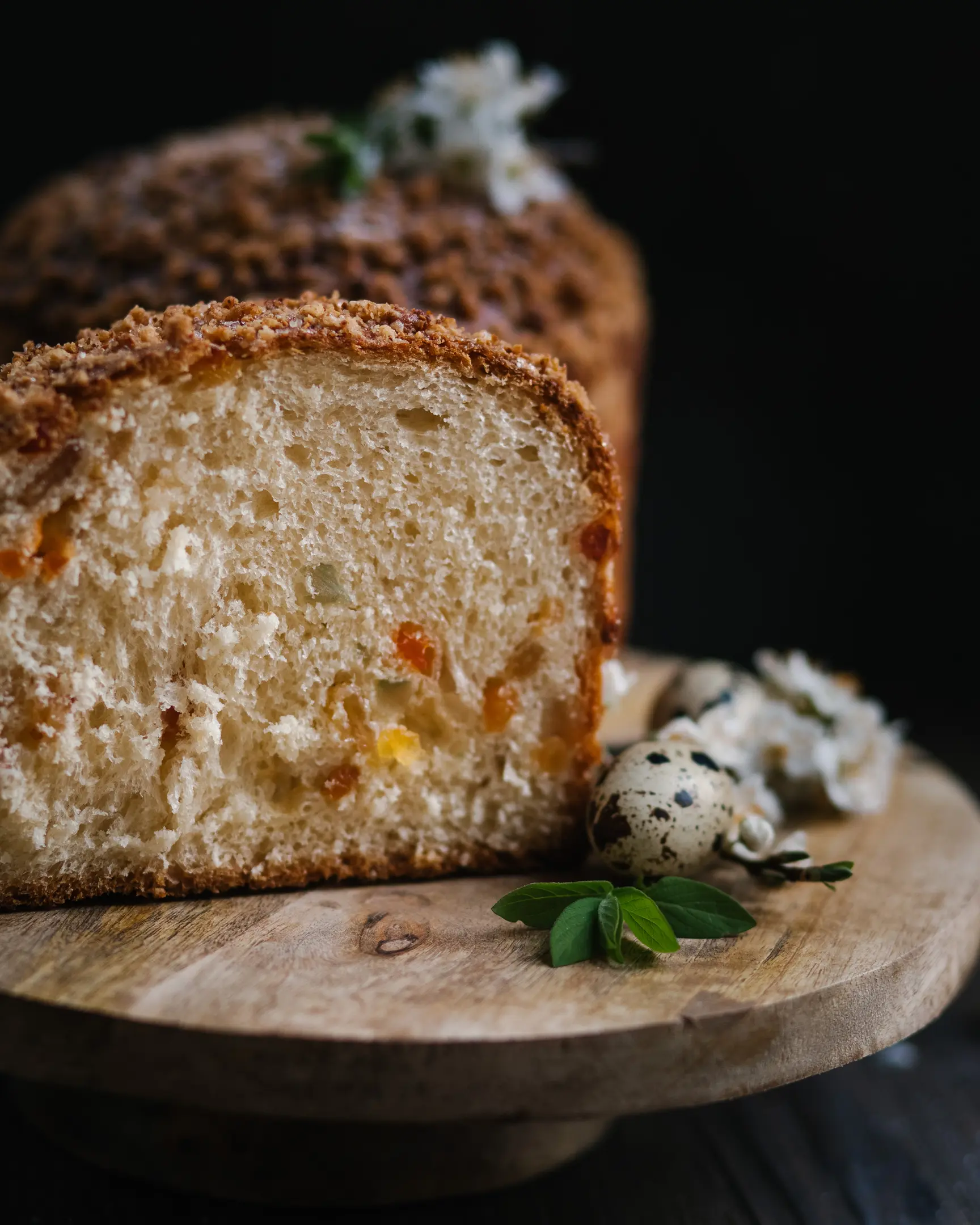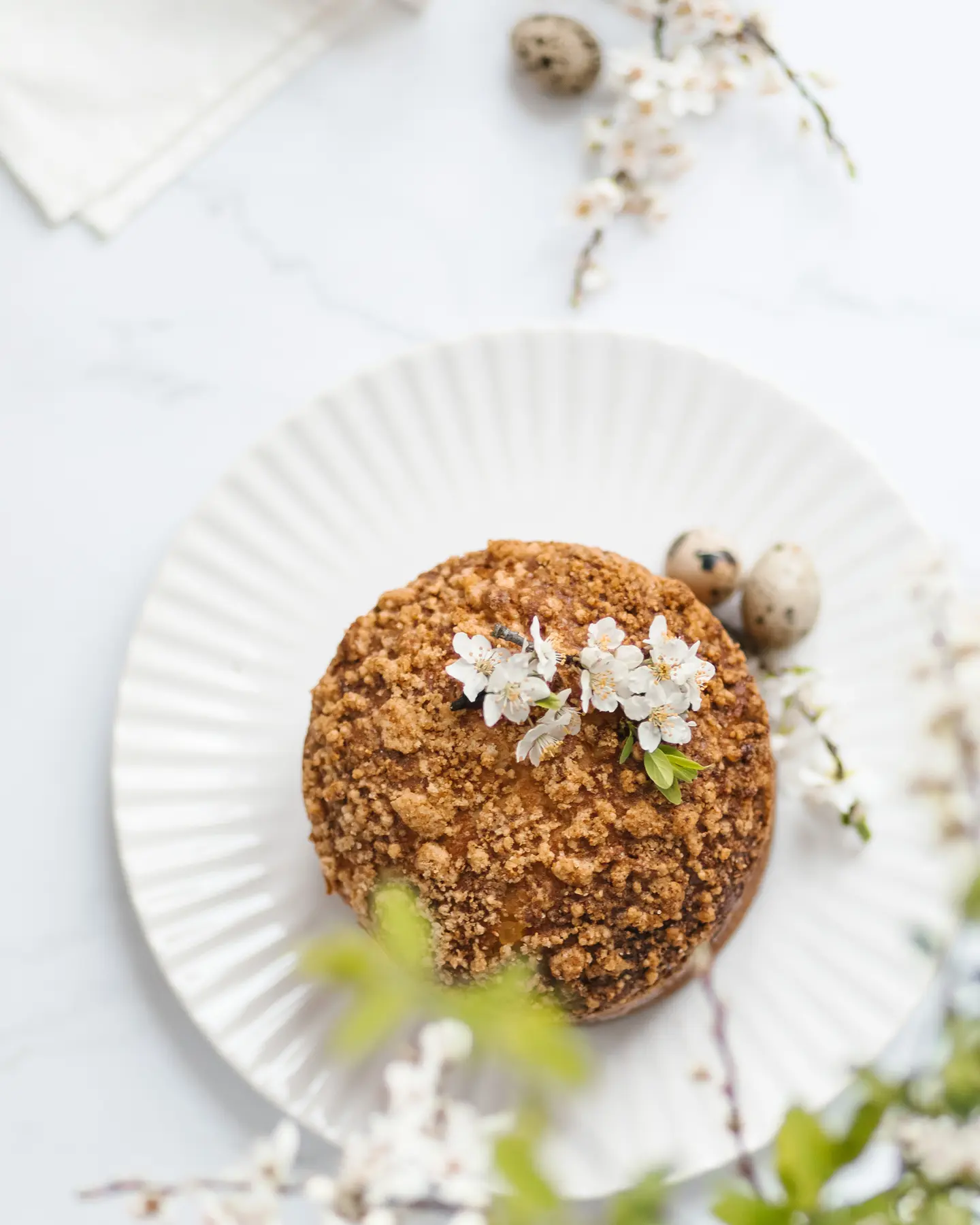
Easter bread or Kozunak from old book
No, I don’t think it’s necessary to be hoarders and cling to everything from the past. Life is happening right now—it is defined by our feelings, and what we do and see every day.
Real life is certainly not just about material components.
However, sometimes the story of life is warmed by small, cherished details. Perhaps it’s a traditional sweet bread recipe from mom’s cookbook, like this Bulgarian Kozunak. Maybe it’s the recipe book itself, a photo of dad in his youth with shoulder-length hair, grandma’s towel that has been washed until it’s threadbare, or a cast-iron egg pan that is about 60 years old and has seen generations of breakfasts.
It feels essential to actually use these things; there is a certain warmth that comes from them.
I’ve captured a picture of this treasured family recipe for Bulgarian Kozunak, a traditional sweet bread often enjoyed as Easter bread, and brought it here for you to try.
Ingredients
Bulgarian kozunak
- 2 eggs (room temperature)
- 100 g sugar
- 120 ml milk (room temperature)
- 380 g flour
- 11 g live fresh yeast
- 1/2 lemon (zest)
- vanilla
- 1 tbsp cognac
- 75 ml vegetable oil
- 150 g candied fruits
Instructions
- Start by crumbling the yeast into a bowl. Add 1 teaspoon of sugar (taken from the total amount), half of the warm milk, and 2 tablespoons of flour. Stir this gently and let the yeast activate.
Meanwhile, dissolve the remaining sugar in the rest of the warm milk. Add the eggs to the milk and sugar mixture and stir until smooth. Then, add the oil, lemon zest, a pinch of salt, the alcohol, and vanilla.
Stir the liquid mixture and the remaining flour into the activated yeast, and knead everything into a smooth, elastic dough.
- After kneading, place the dough in a container greased with oil. Cover it with plastic film to prevent the dough from drying out (if you want to be eco-friendly, I recommend using a reusable shower cap for covering the dough). Let it rest for approximately 1.5 hours; the dough should roughly double in volume.
If you have the time, I recommend punching it down and letting it rest for another hour. This extra step helps develop a more intense flavor in the dough.
Alternatively, if you are in a hurry, you can skip the second rest and immediately fold in the candied fruits. Divide the dough into two pieces and place them into paper forms to proof for about 45 minutes.
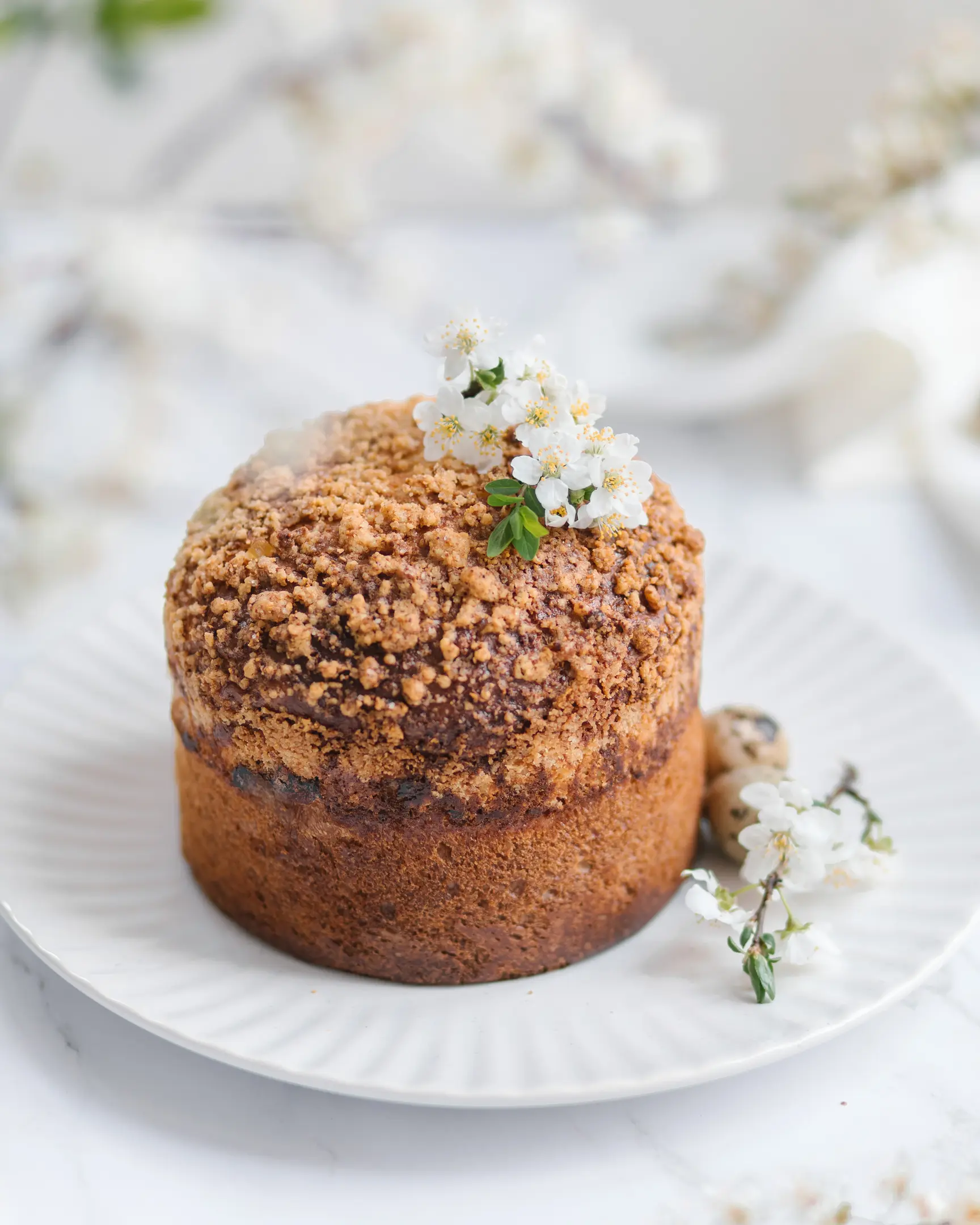
I baked these in two forms, each 13 cm in size. Before baking, the risen loaf can be brushed with egg yolk, though I chose to sprinkle it with crumbs made from: 25 g butter
- 25 g sugar
- 20 g flour
- 10 g almond flour.
You can also simply sprinkle it with sugar and nuts if you prefer. Bake in a preheated oven at 170 degrees Celsius. The baking time will depend on the size of your loaf. My 13 cm molds took about 35 minutes. Check the readiness of your bread with a wooden skewer before removing it from the oven.